Martín Bollati
This Past Does Not Exist
The publication uses AI to mash up ages, geographies and traditions, creating virtual artifacts indistinguishable from historical records.

The Door of Perception
The publication uses AI to mash up ages, geographies and traditions, creating virtual artifacts indistinguishable from historical records.
He calls himself a cosmic illustrator, visual alchemist and psychonaut. All images are from his left hand.
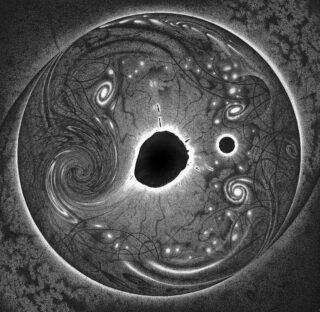
I hope that I’m starting to play in that space between conventional ideas of what a human should be and what a human could be.
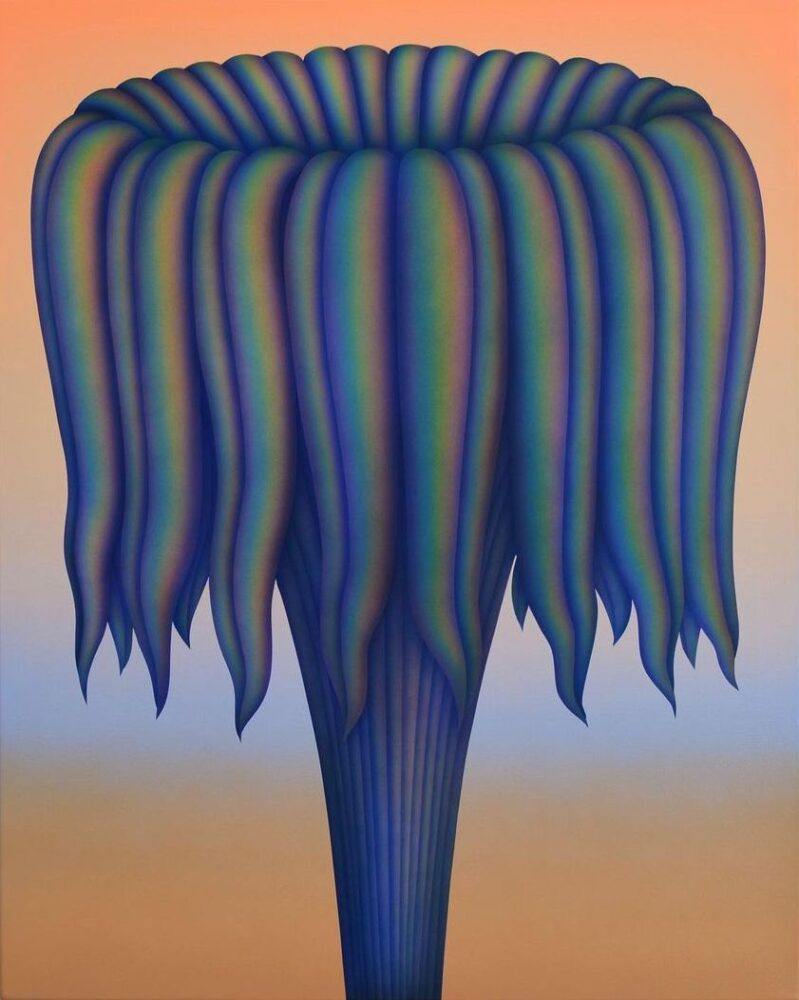
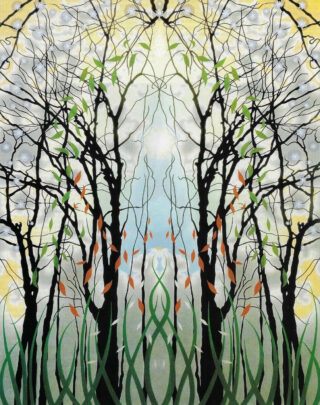
Her vibrant nature scenes convey a sense of the divine in nature and are reminiscent of the Transcendental Painting Group.
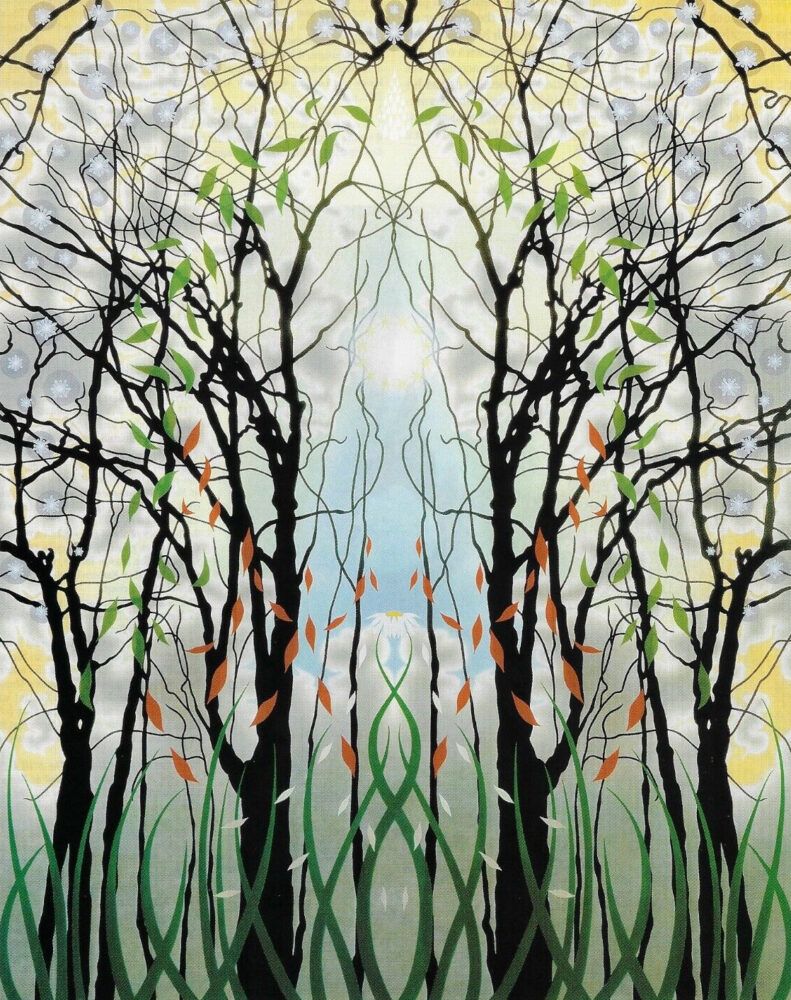
After a tumultuous life, often in conflict with the law, including periods in psychiatric hospitals, the founding of a sect and practicing as a fortune teller and healer, he began to draw at the age of 57.
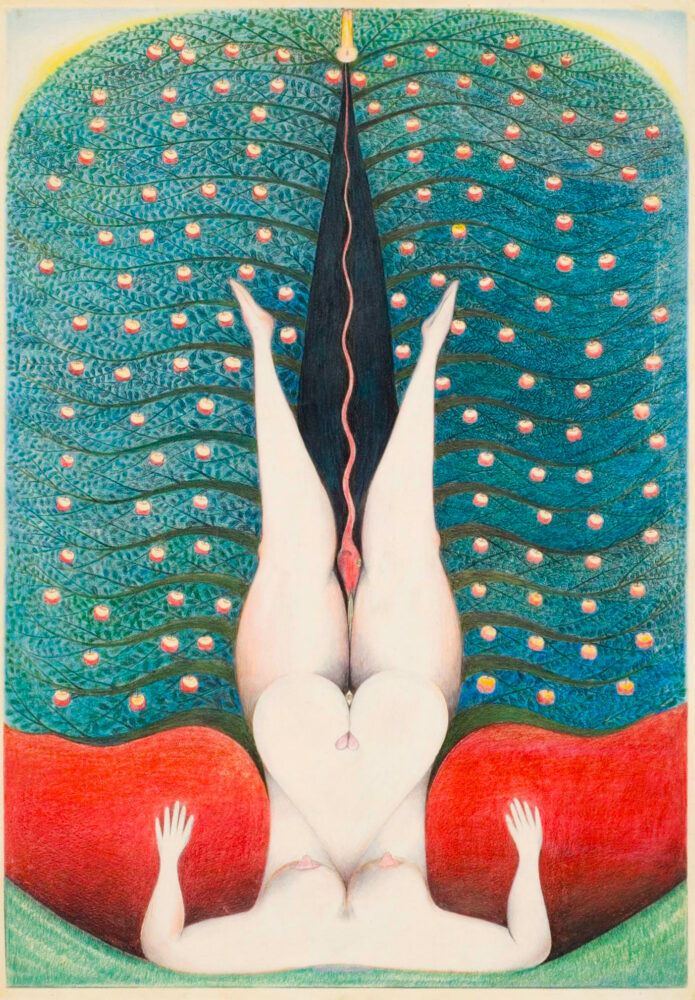
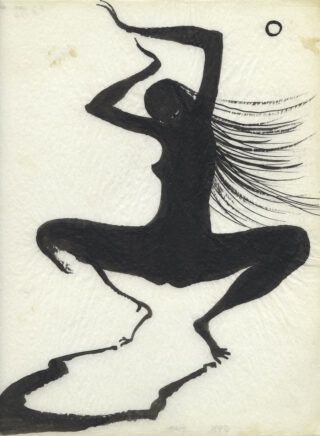
Cameron was an American artist, poet, actress, and occultist who emerged as a key figure in the California counterculture movement in the 1950s and 60s.
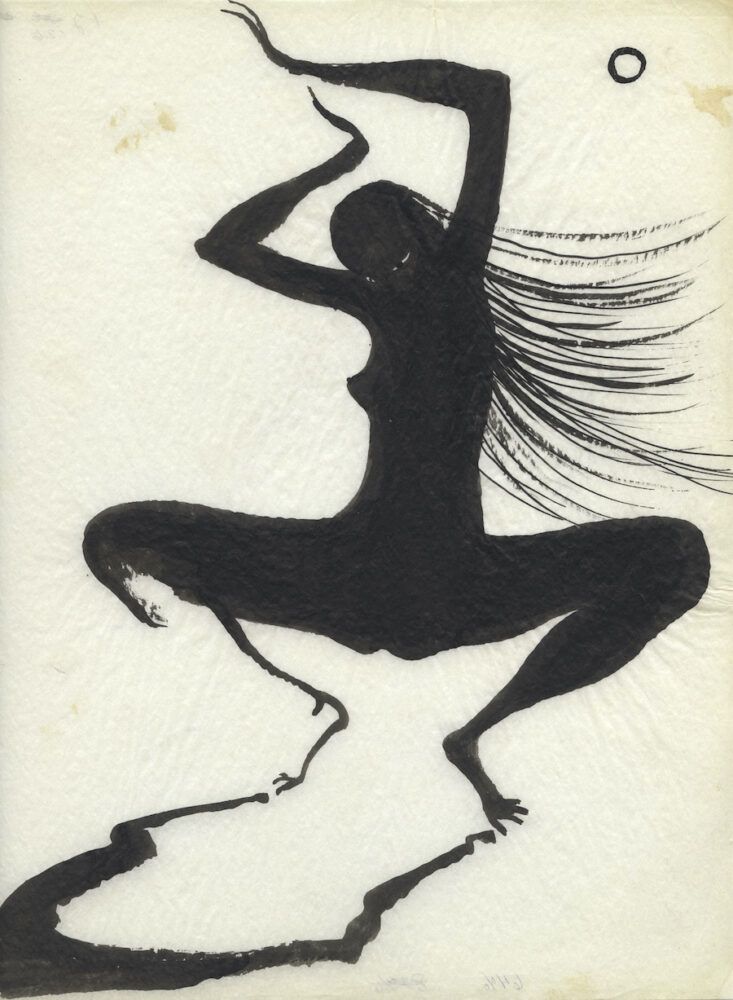
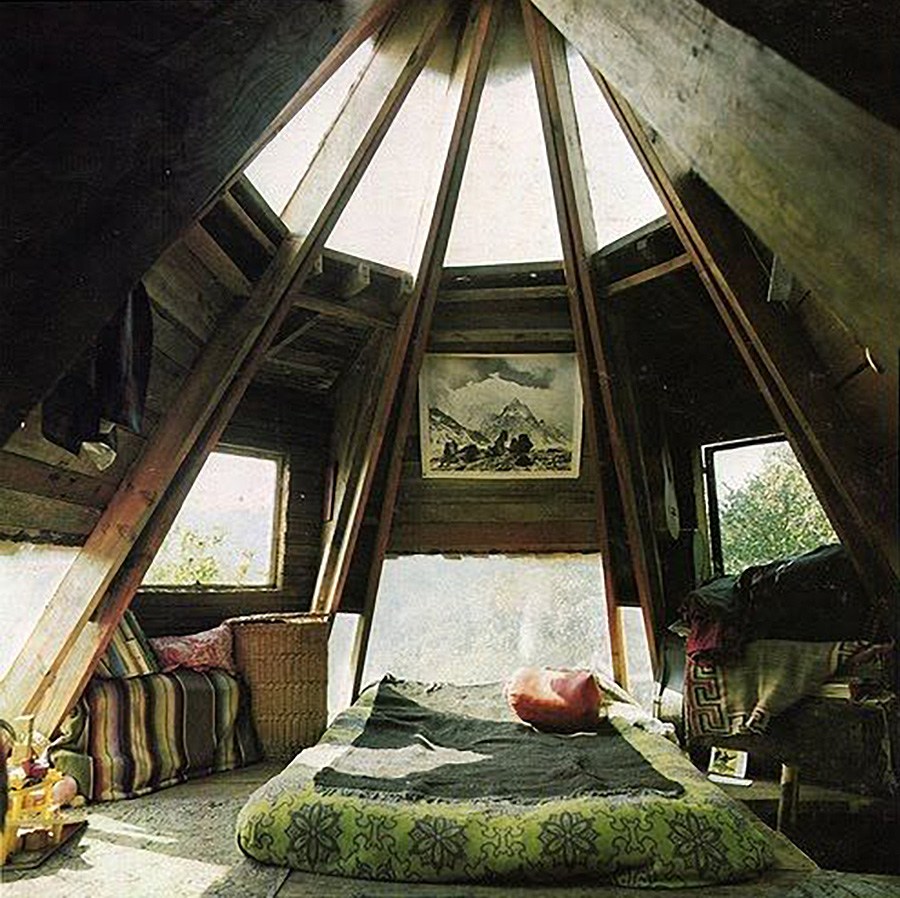
Lloyd Kahn is arguably the most influential pioneer of the DIY building movement that emerged in the 1960s.
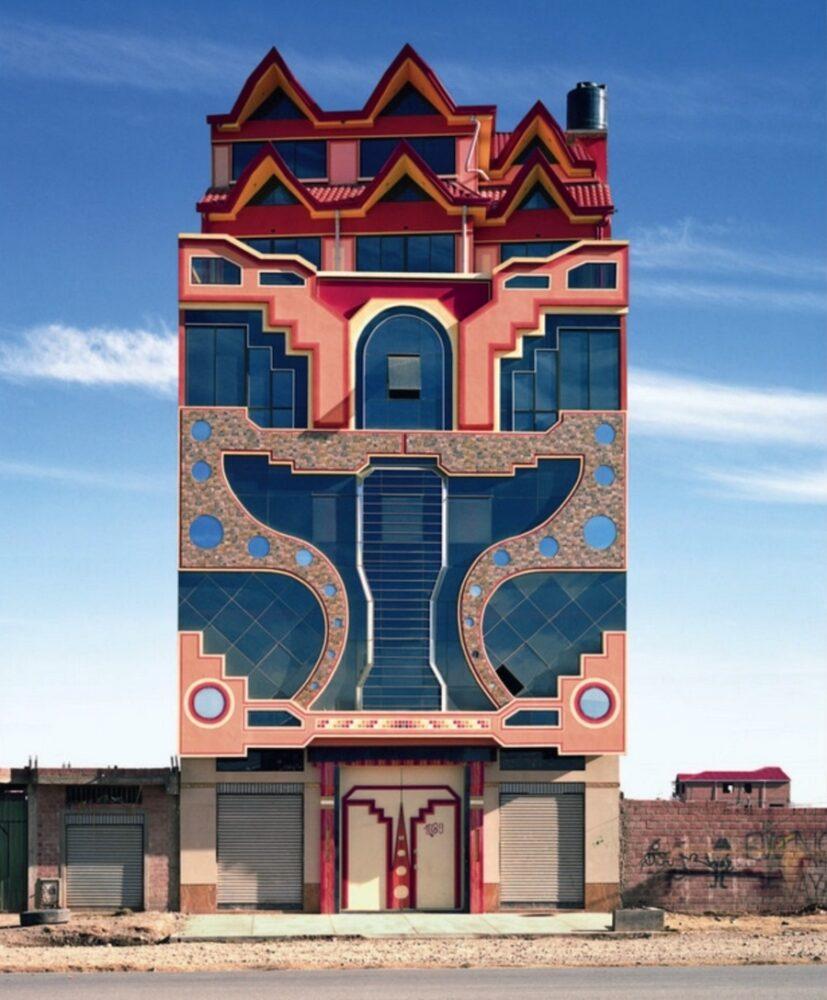
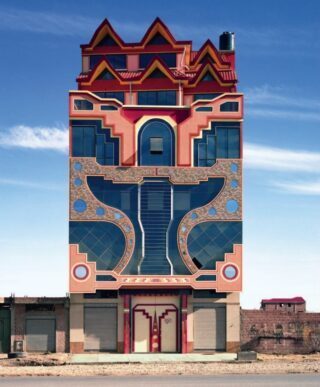
His buildings are nothing less than an exuberant act of self-expression by Bolivia’s long-marginalized indigenous majority.
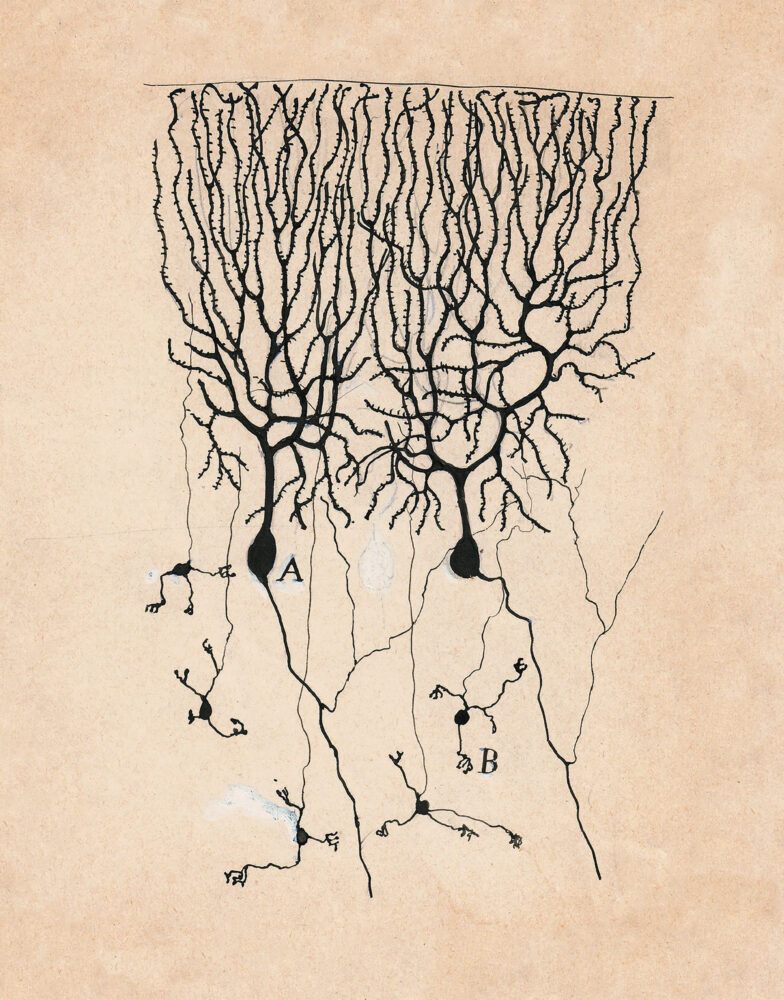
Santiago Ramón y Cajal (1852-1934) was a Spanish neuroscientist and pathologist who is considered the father of modern neuroscience.
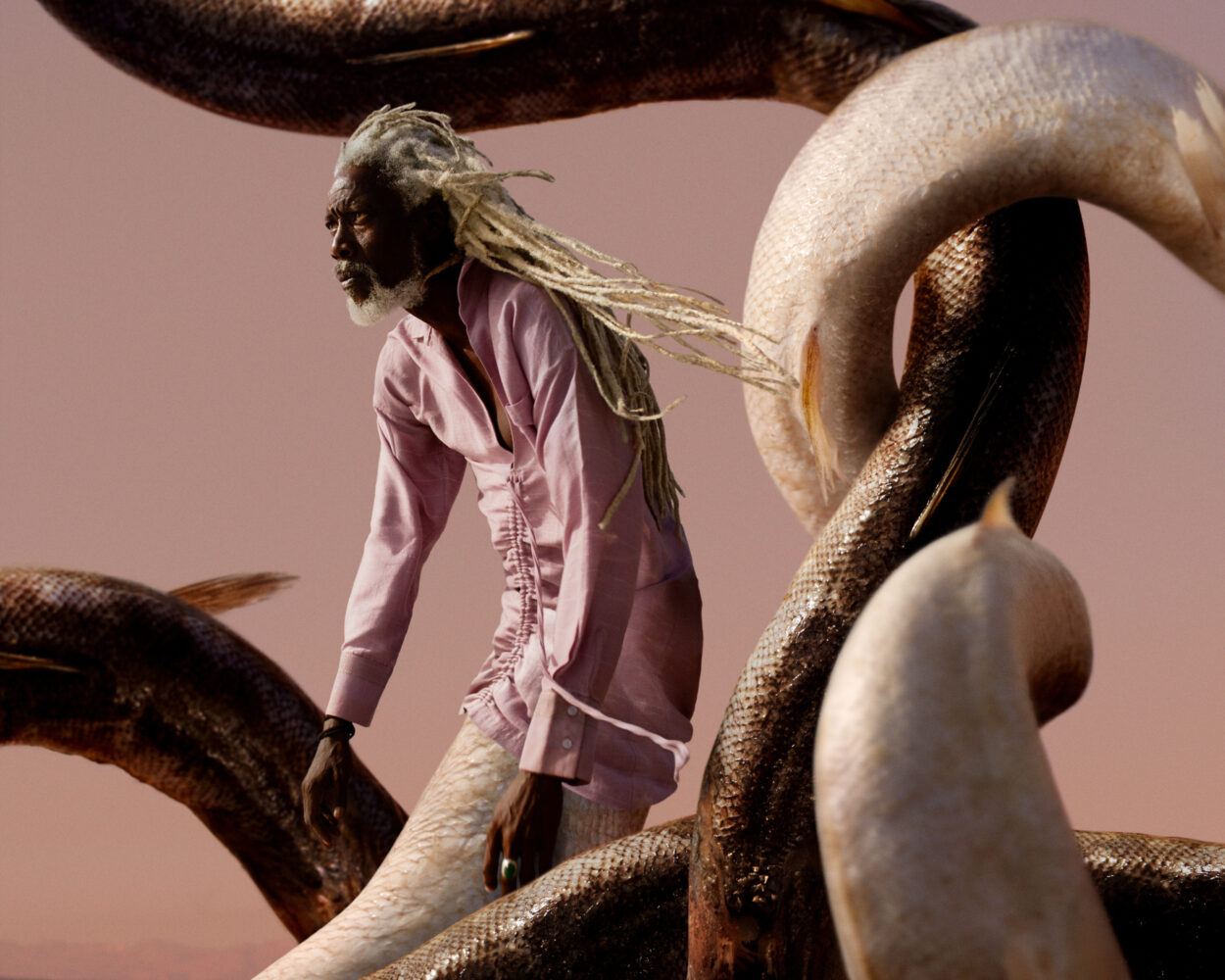
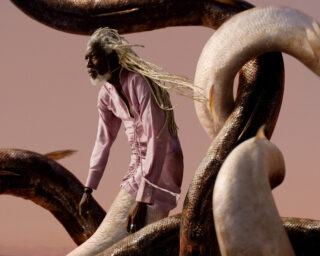
David Uzochukwu (born 1998) is an Austrian-Nigerian artist engaging with longing and belonging through (self) portraiture. He uses photography and…
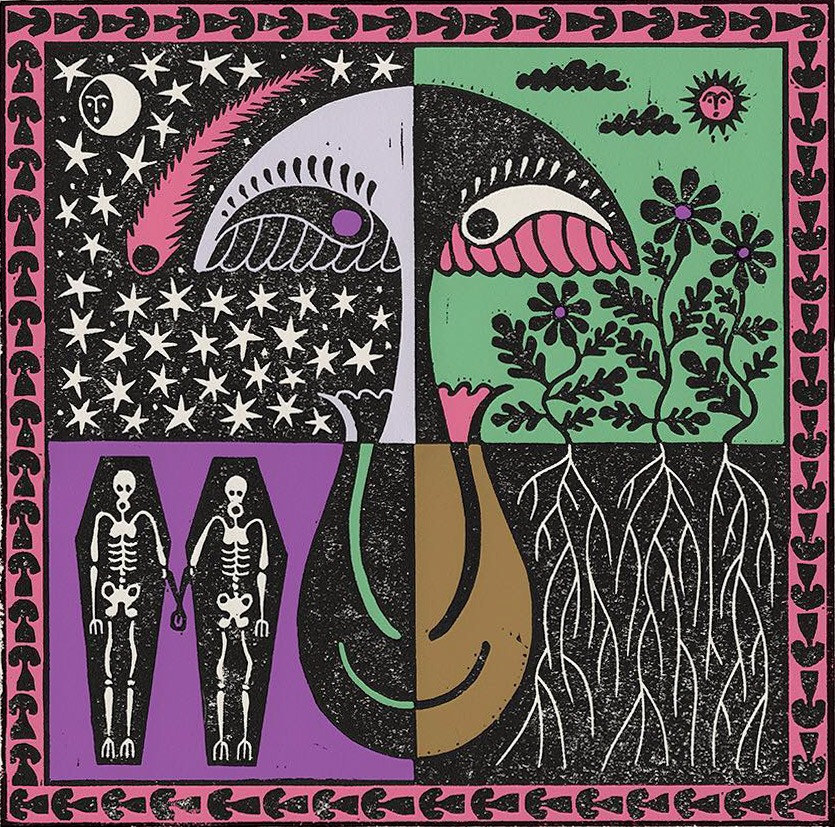
Sophy Hollington is a Brighton-based illustrator who has made a name for herself through her unique take on futuristic folklore realized in linocut.
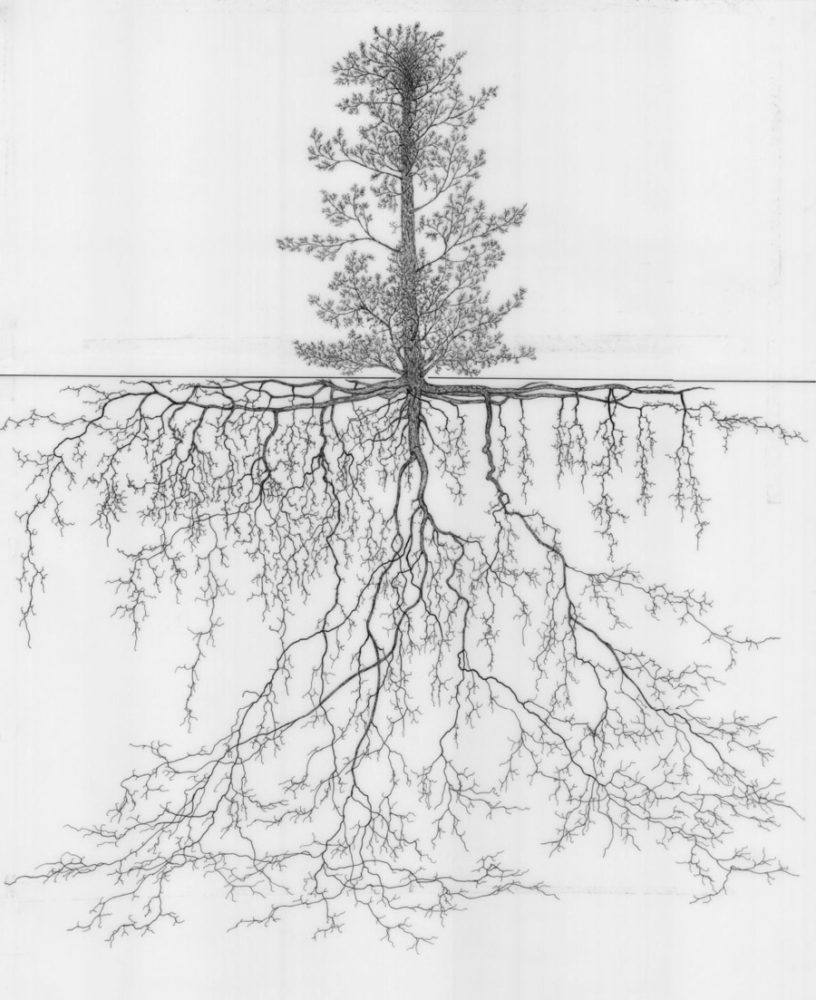
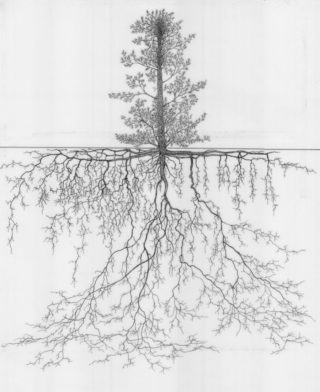
The following drawings are taken from the Wurzelatlas, a book series that began in 1960 and is regarded as the standard work on root research.
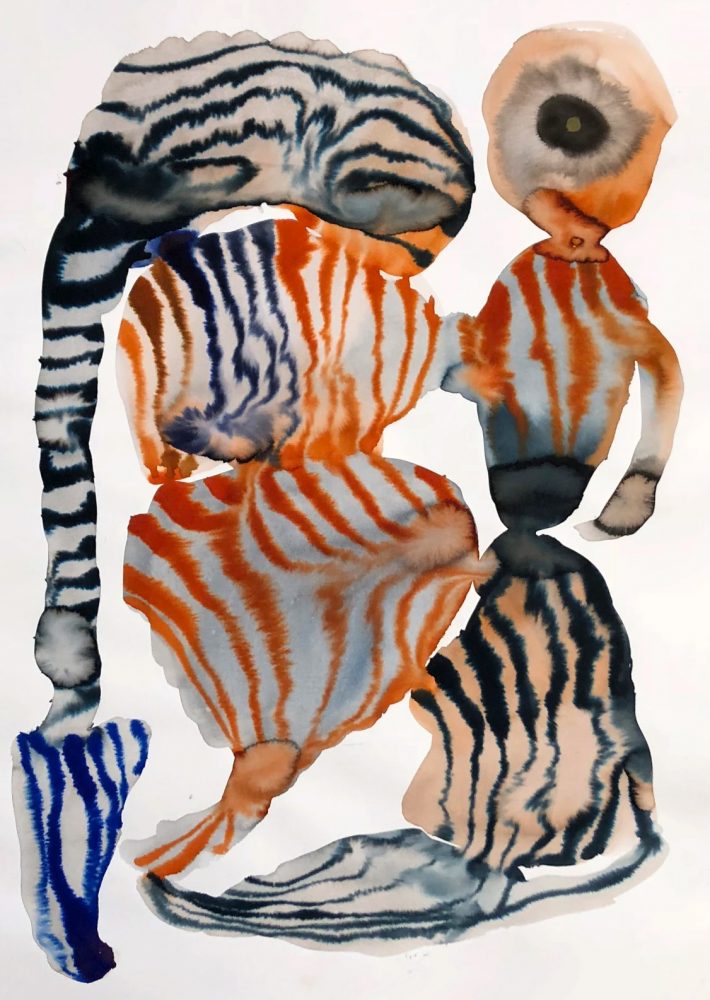
She describes her work as an ongoing exploration without rules and conventions, inspired by the desire to live.
This book is a New Age classic but just one of many publications in the same spirit springing from the counterculture of the late 1960s.
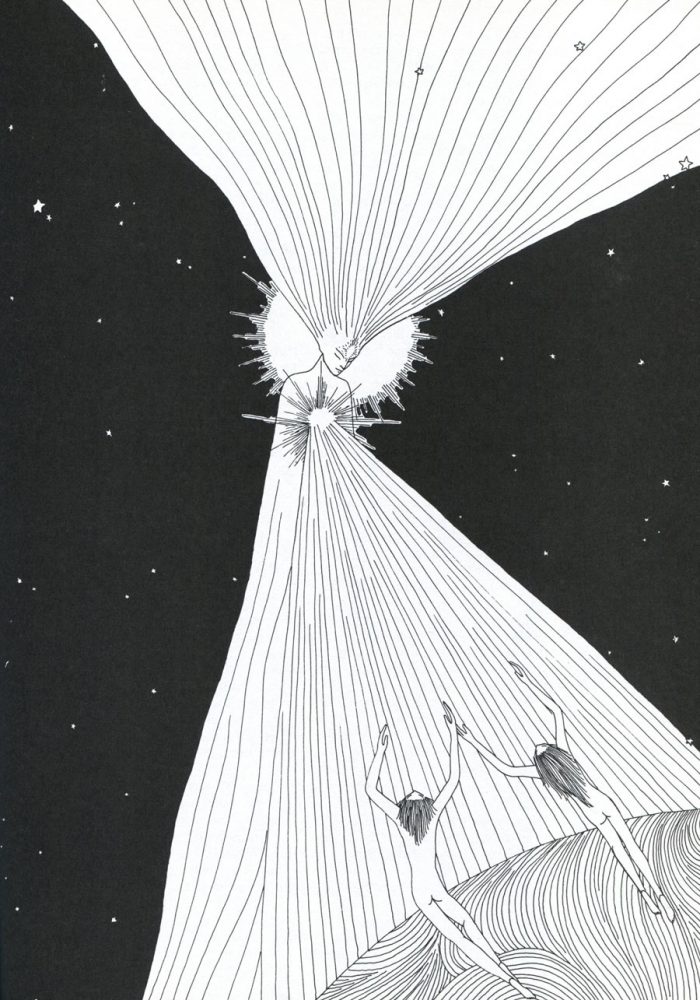
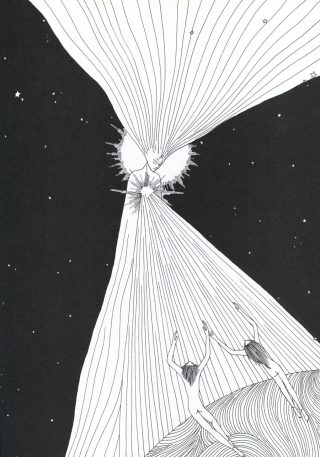
Few artists have so powerfully evoked the uncanny otherness of the unconscious like Swiss artist Peter Birkhäuser.
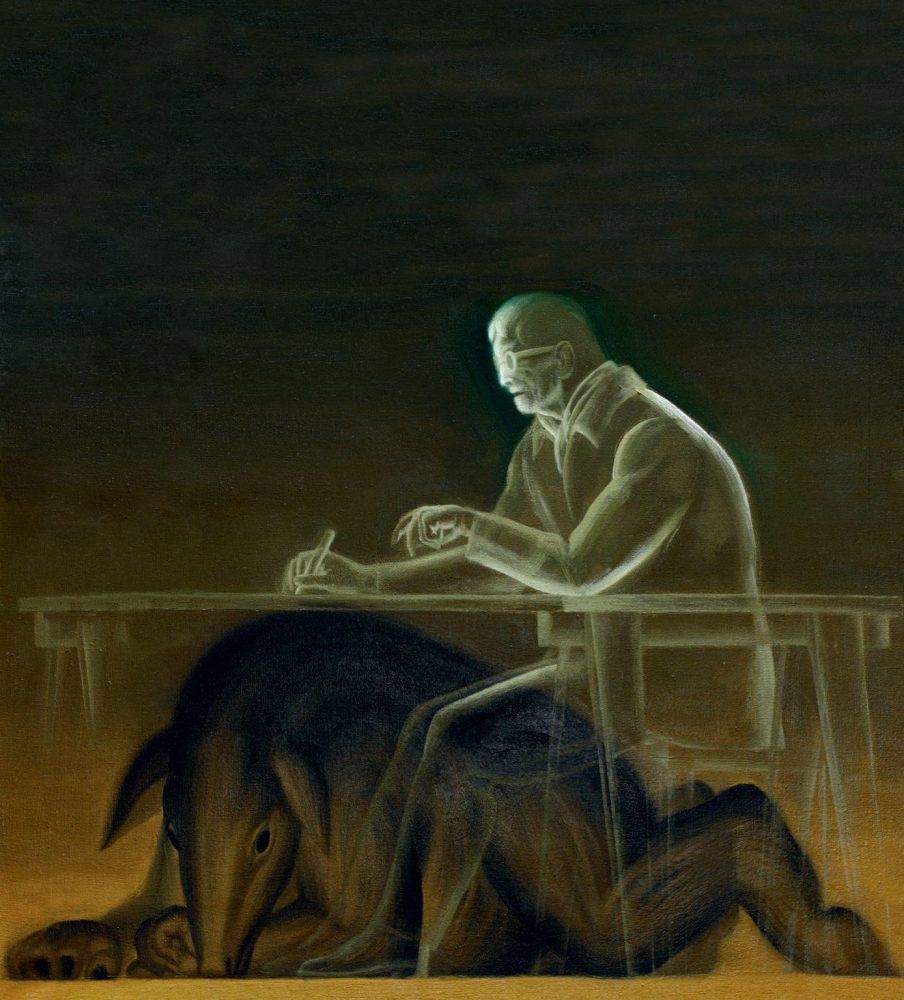
Her paintings speak to us with such a refreshing immediacy, reminding us how wild it is to be alive.
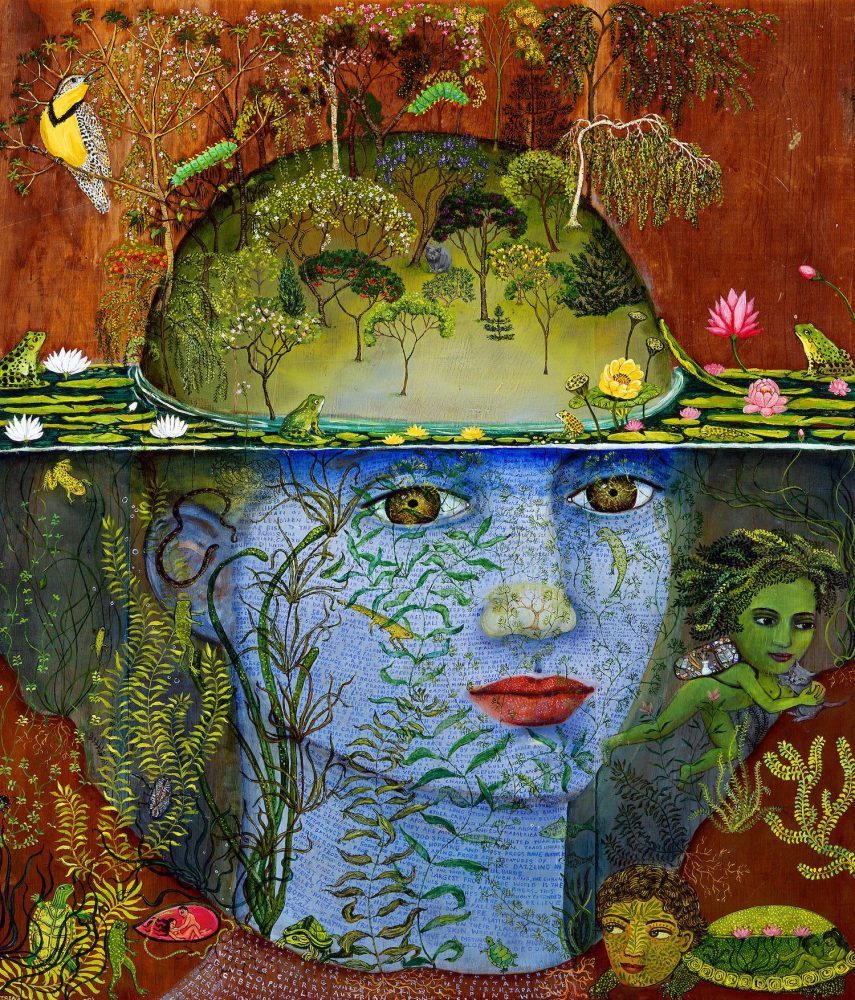
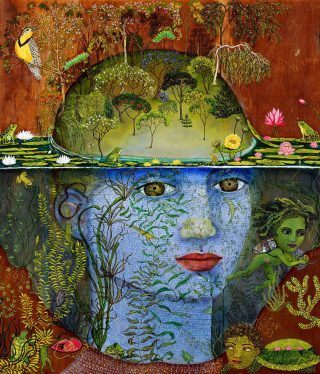
I have always been drawn to things I found suggestive but couldn’t understand. The tarot is such a theme that speaks to my imagination but I can’t explain what it really is.

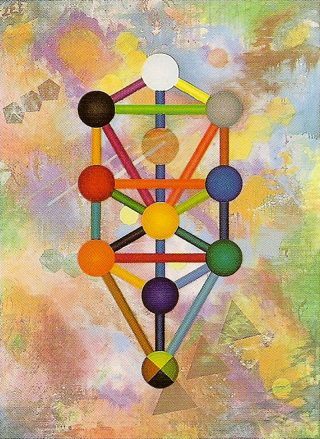
A laboratory in constant change, a small museum of desires and dreams that amuse the inner child.
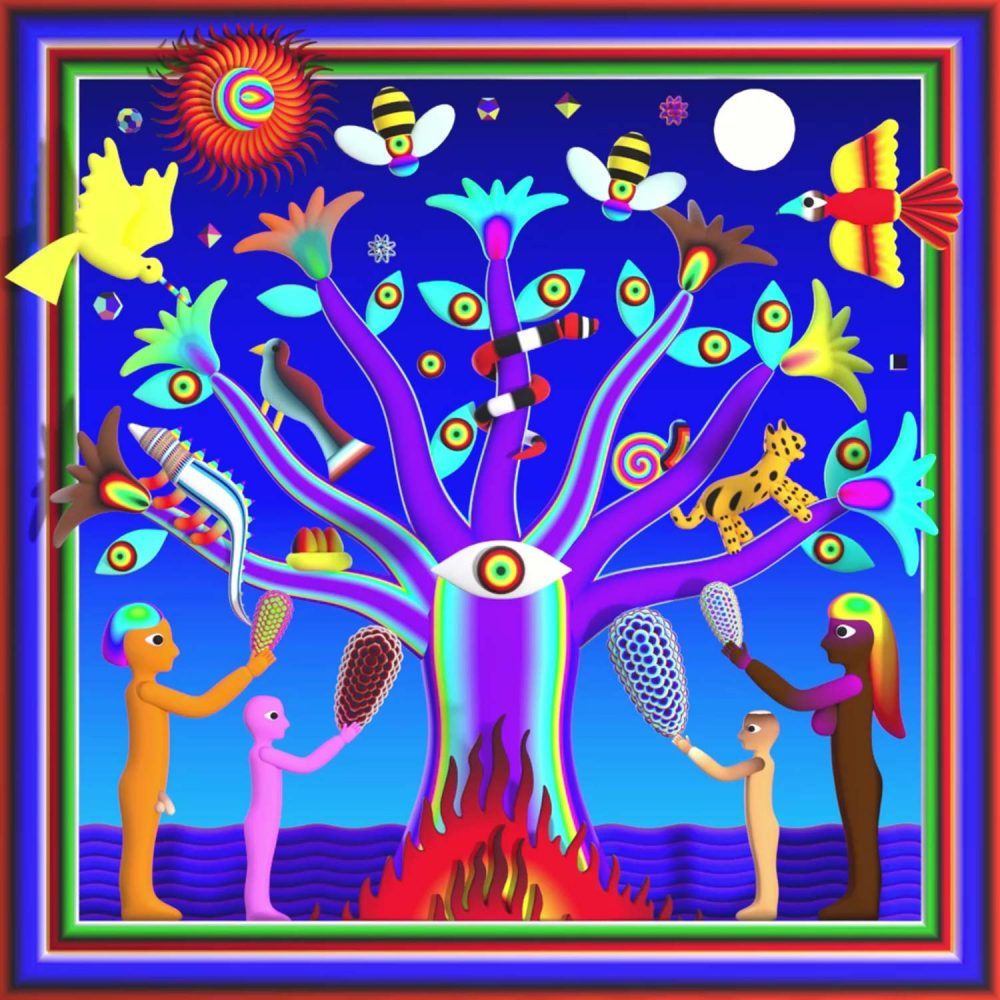
Like a deep well evoking forgotten concepts about origins, belonging, and the presence of spiritual forces in the world.
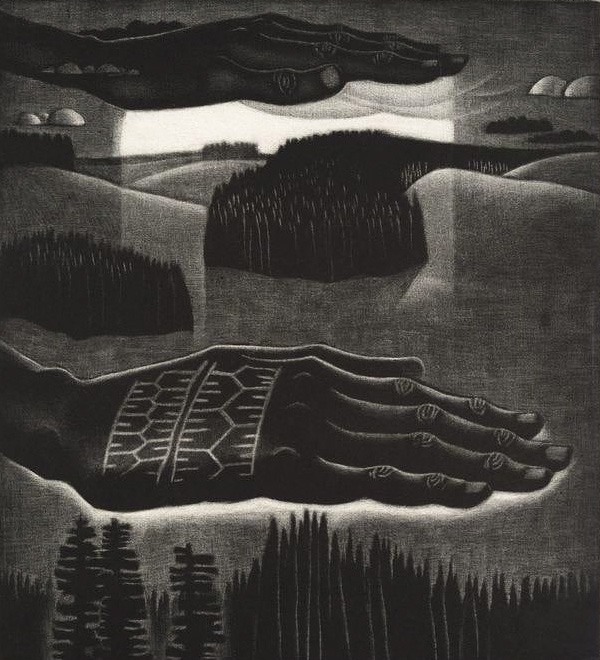
Wolfgang Hutter was clearly gifted with an exceptional receptivity to feel the call of beauty and the creative power to translate it back into form.
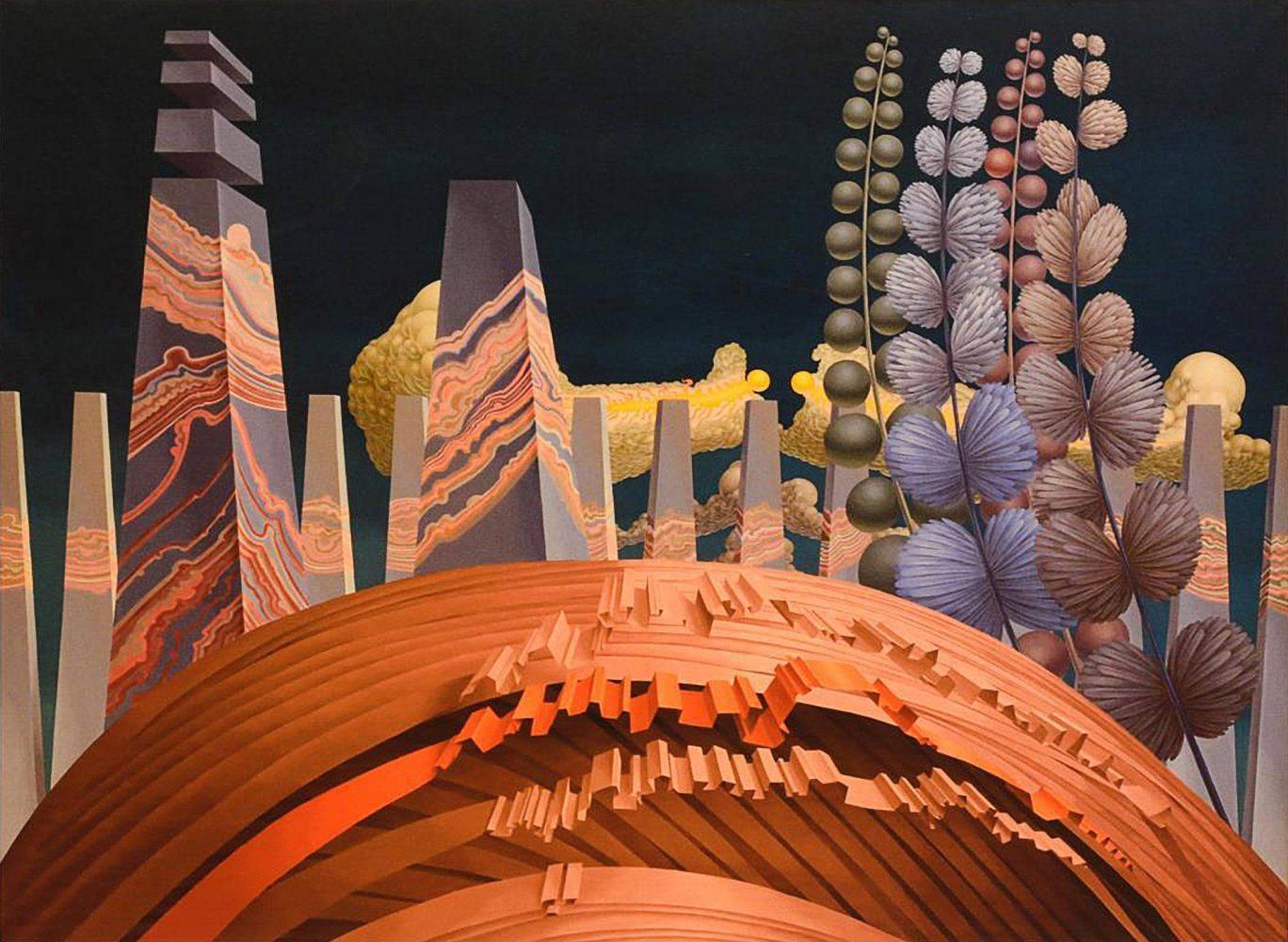
Her body of work is an expression of her sensuality as a woman going through the different stages of pregnancy from conception to birth to motherhood.
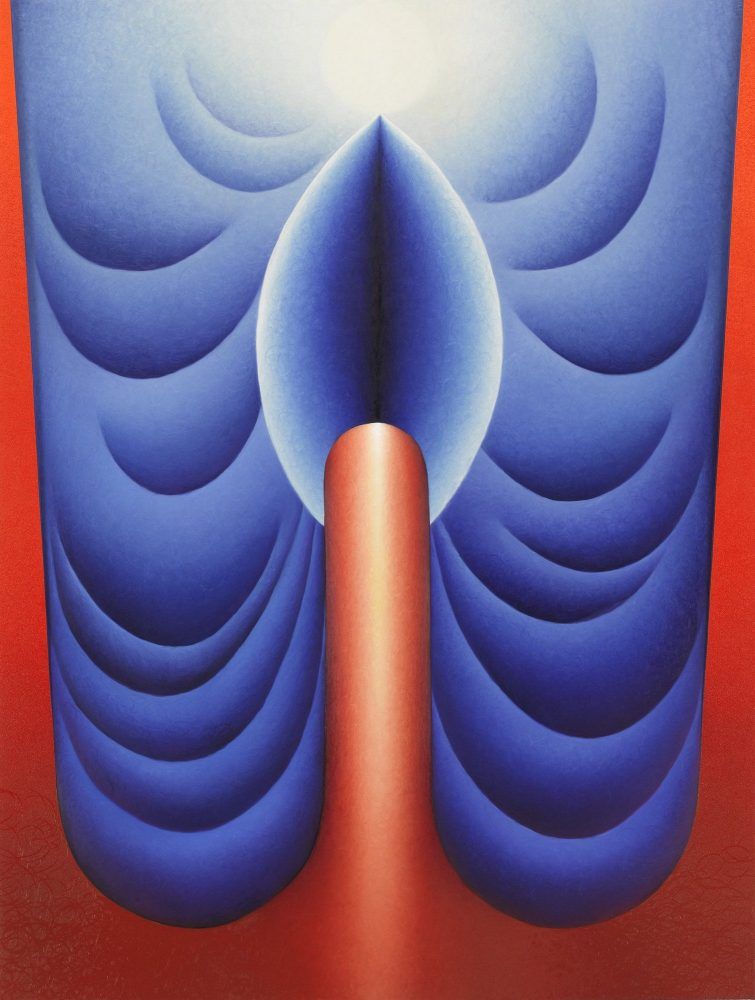
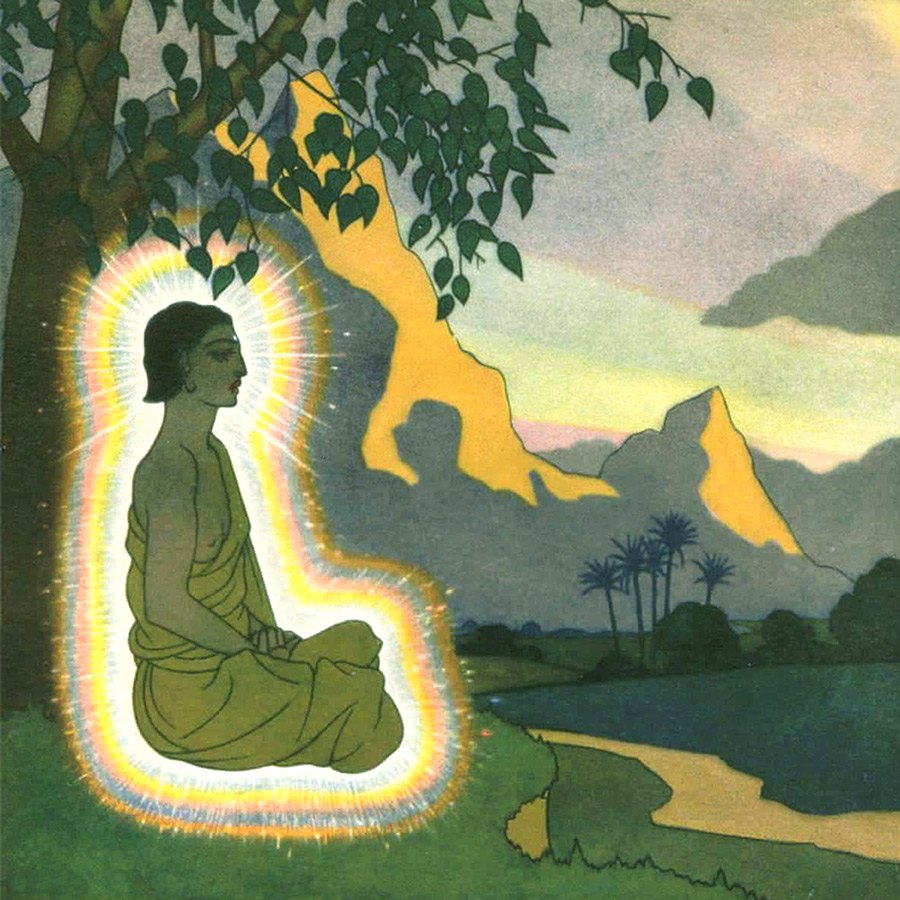
The Light of Asia is a famous narrative poem that tells the life and time of Prince Gautama Siddhartha, who after attaining enlightenment, became the Buddha.
His meticulously rendered landscapes suggest a nostalgia for Eden and the availability of peace and joy through an expanded awareness of the beauty inherent in the land.
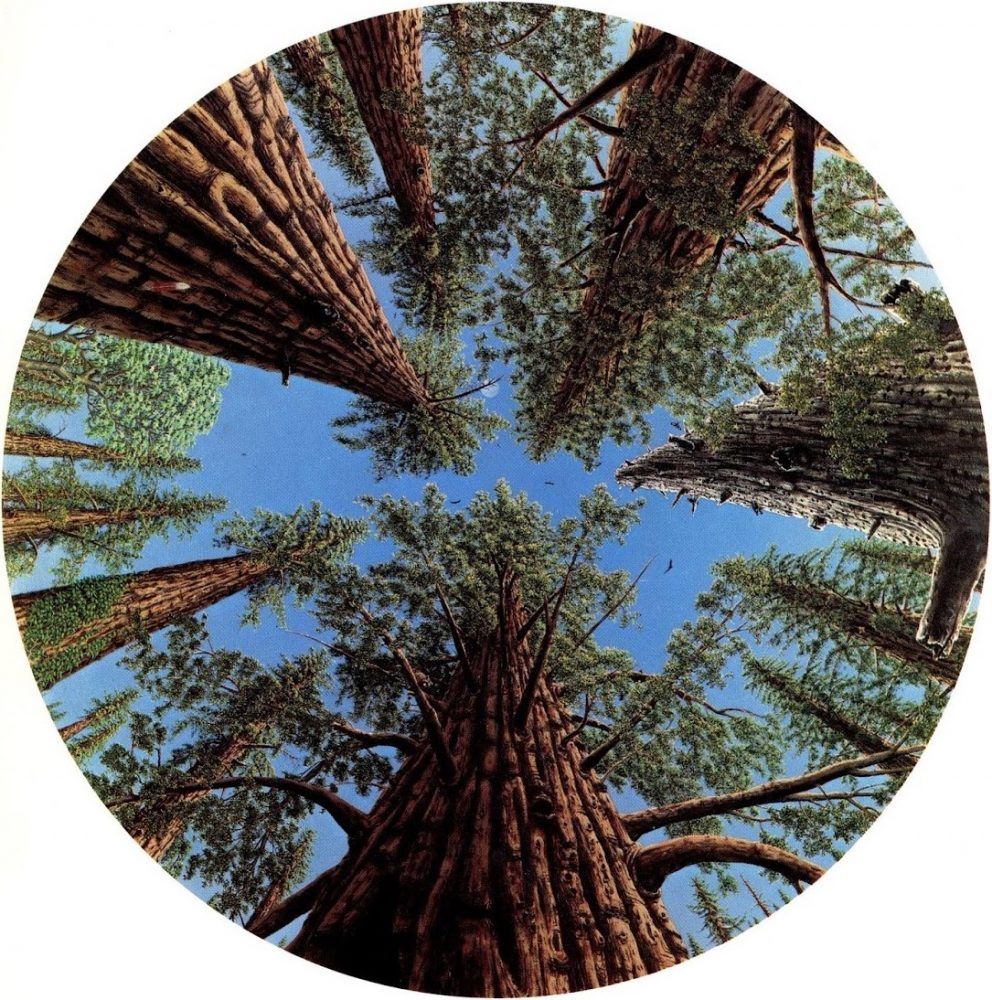
The narrative drawings reflect the eternal human struggle for the right path in life, alongside our demons.
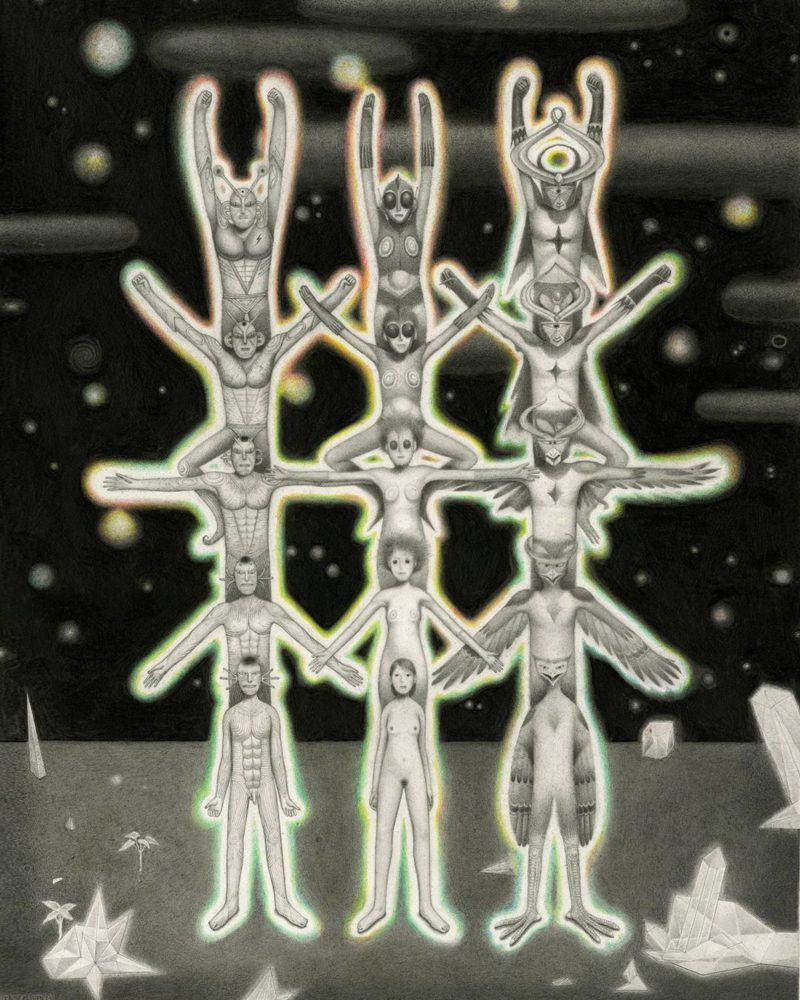
A few hours ago I found this woman sitting on the floor near the marketplace of a small town in Southern France.
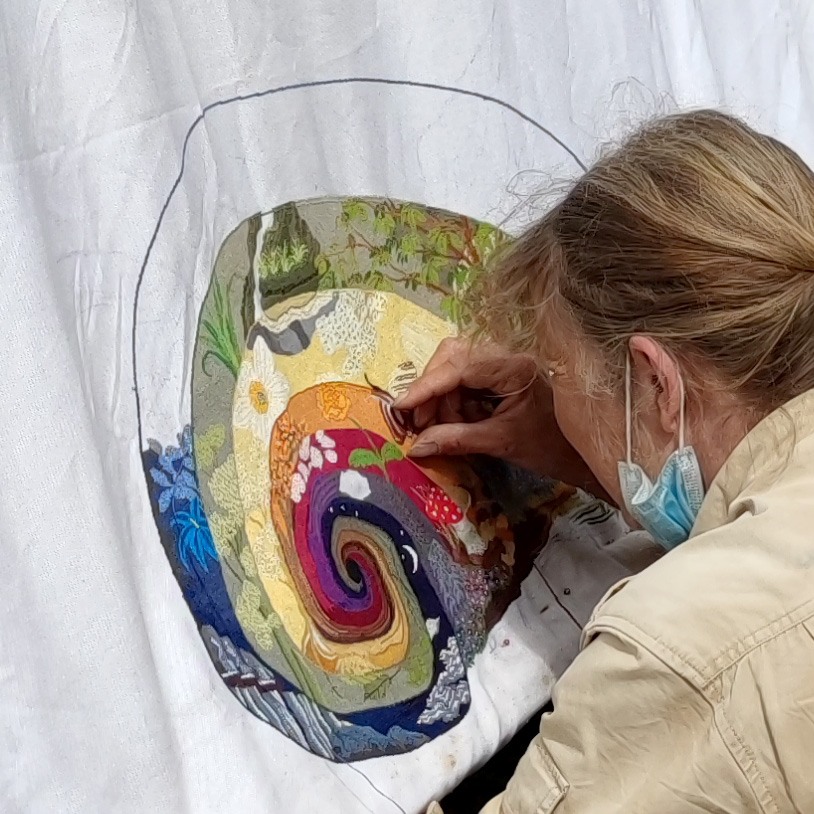
A numinous, archetypal event that can lead to enhanced consciousness and is therefore crucial to the psyche of modern man.
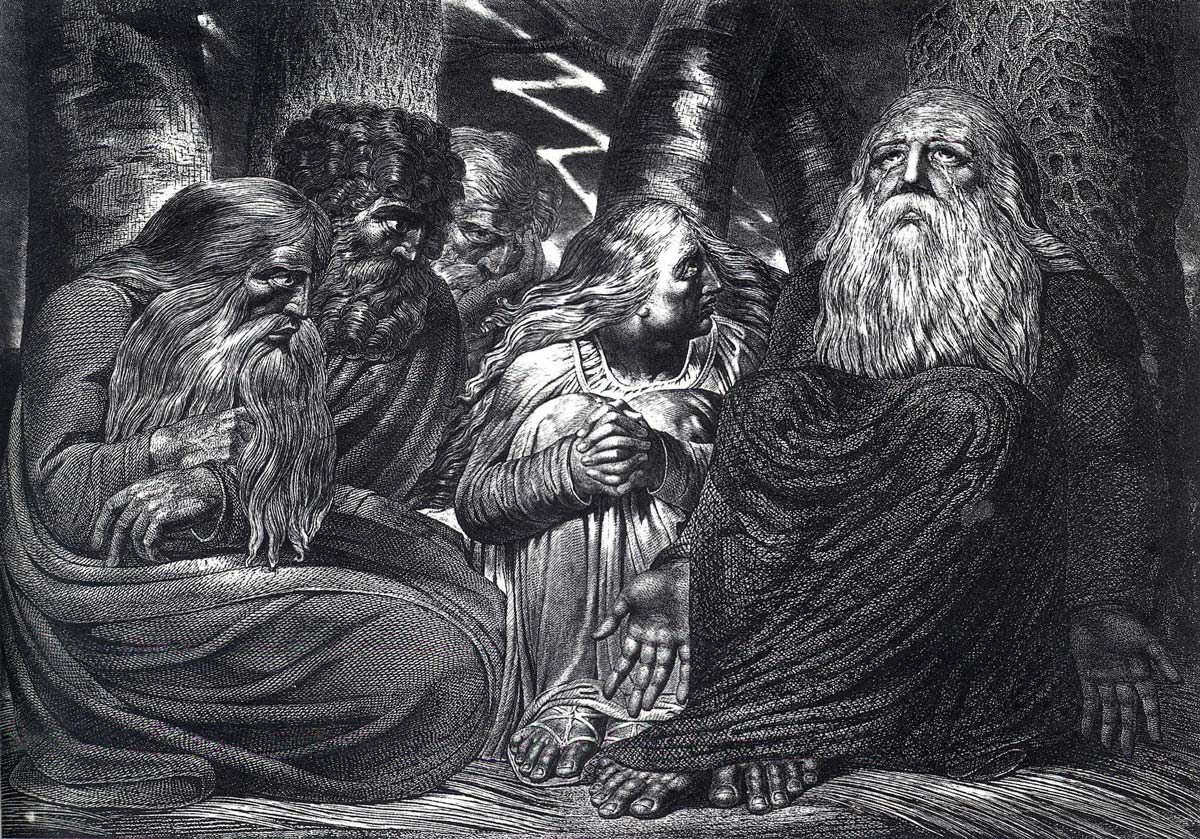
This book is leading you on travels in a mysterious and visionary world.
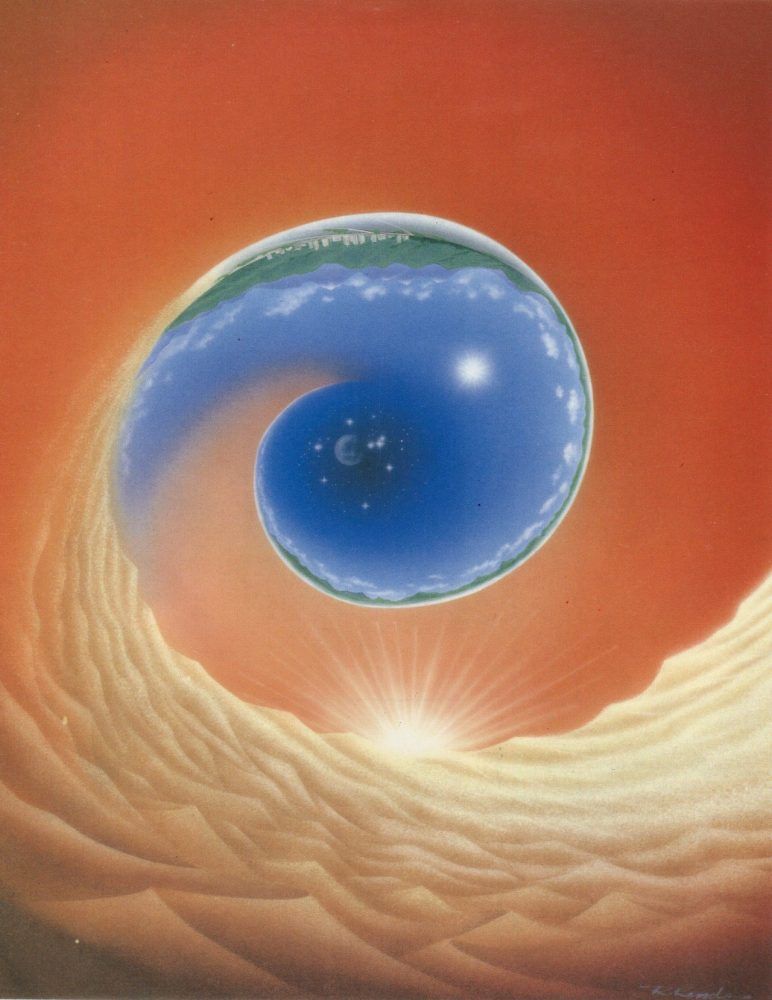
There is already another post about Philip Kirkland but these images I’ve just found deserve to stand alone.
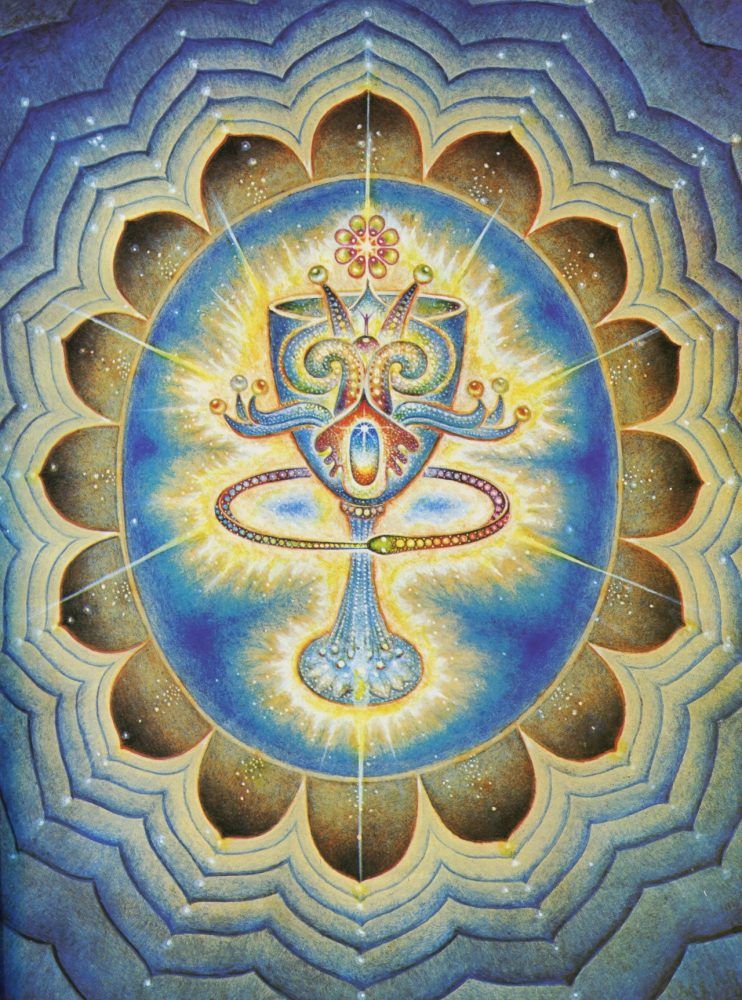
Surrealism based on studies of psychology, religion, the Bible, astrology, antiquity, magic, witchcraft, mythology and occultism.
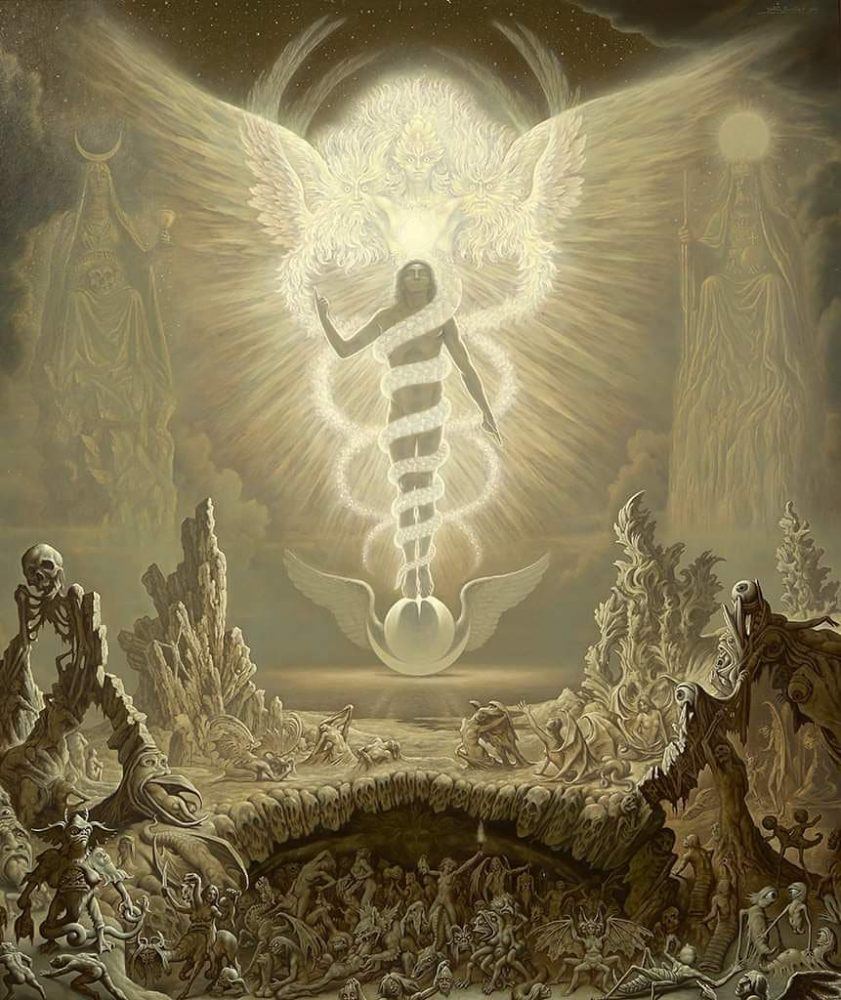
This seminal book by Stanley Keleman explores the notion that physical human shape is interrelated with one’s emotional and psychological reality — mapping the geometry of somatic consciousness.
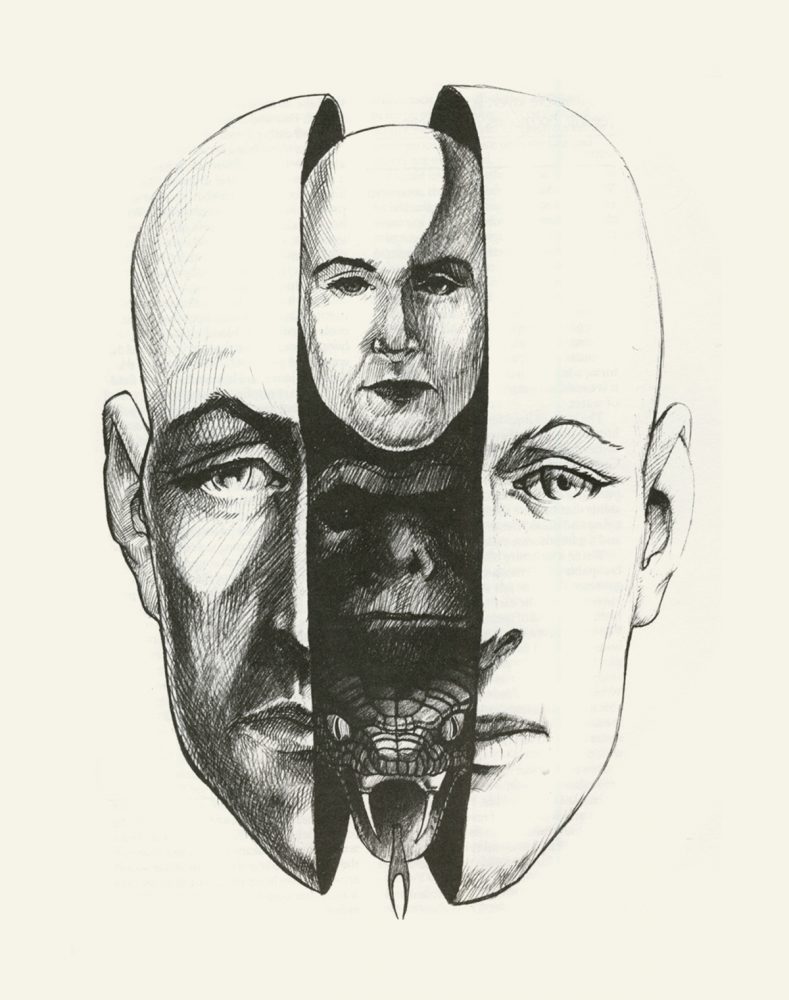
Stanisław Szukalski’s strong nationalistic affinity, coupled with a megalomaniac self-image made him the priest of a nation, that was to hail him the greatest of living artists.
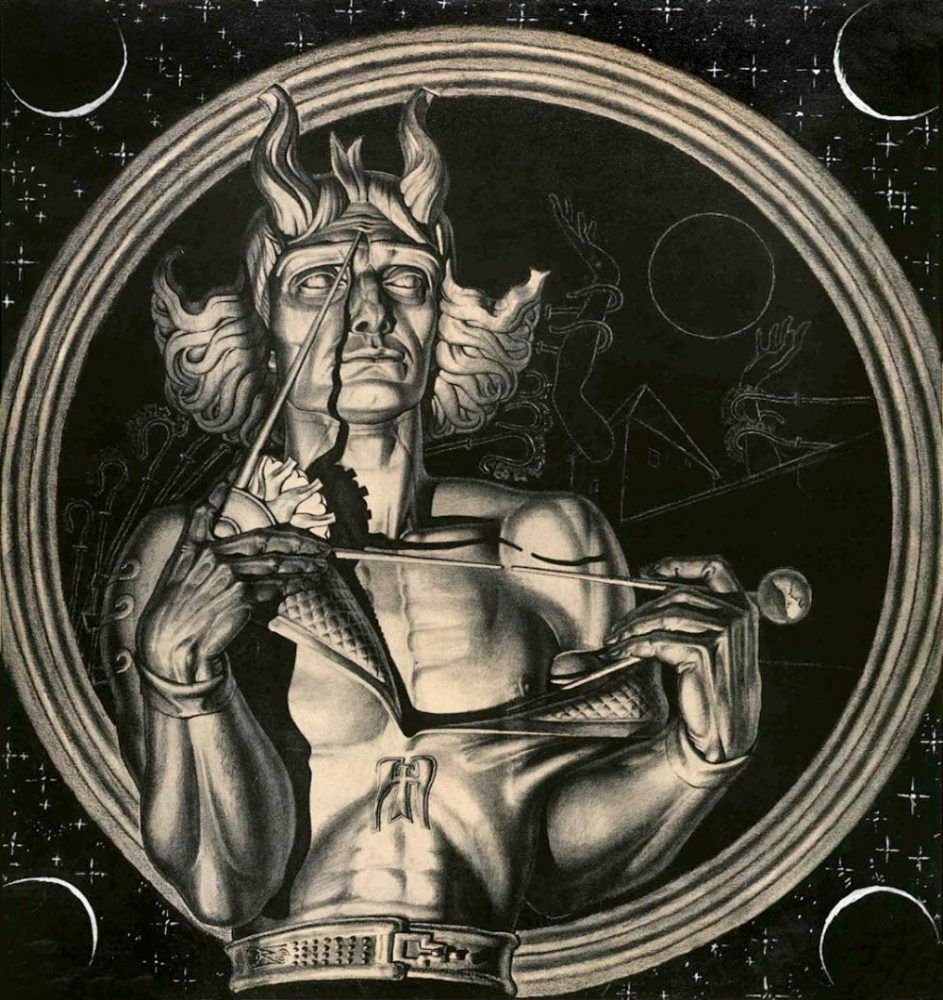
Franciszek Starowieyski liked to think of himself as a draftsman from the 17th century. The lushness of form and erotic exuberance is truly Baroque.