Mike Brodie
A Period of Juvenile Prosperity
Mike Brodie rode his first freight train as a bored seventeen-year-old kid from Pensacola, Florida, looking for an adventure.

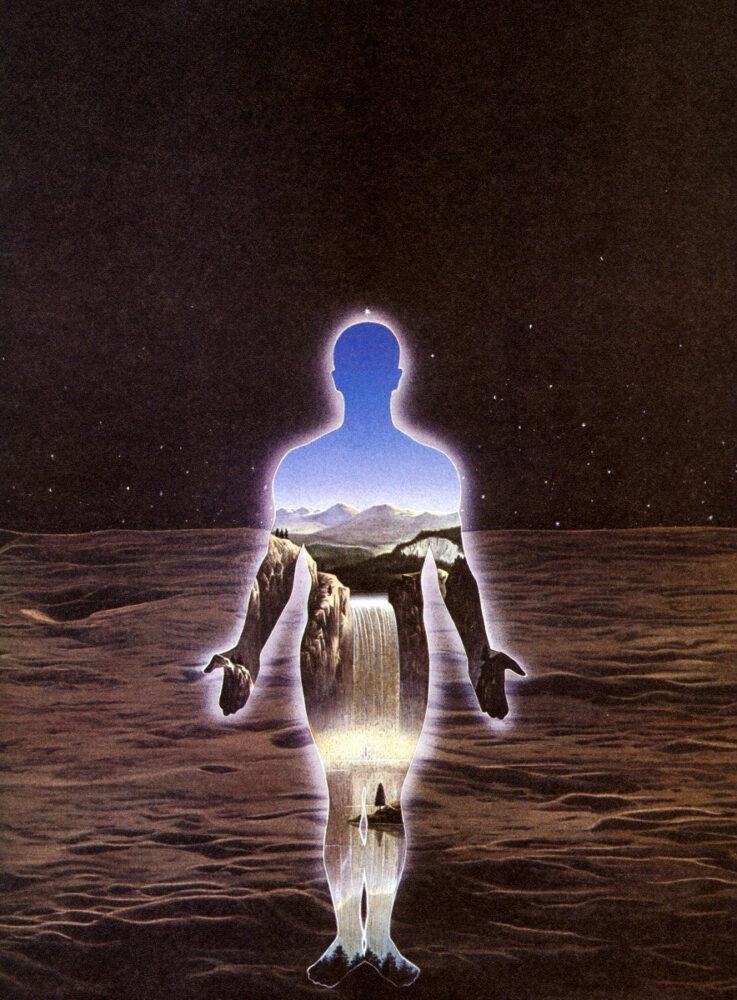
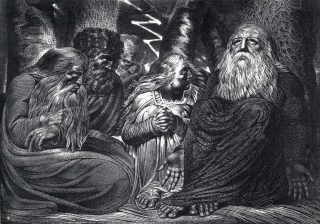
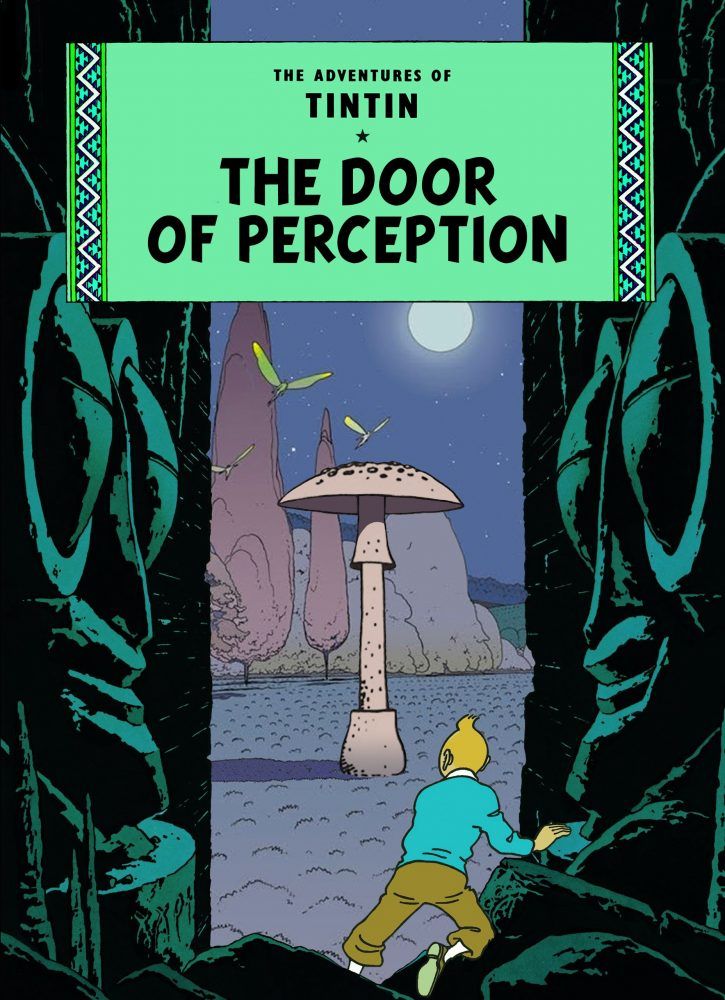
The Door of Perception
Mike Brodie rode his first freight train as a bored seventeen-year-old kid from Pensacola, Florida, looking for an adventure.

What we call dirt is, in fact, one of the most widely used building materials on Earth. Earthen architecture stands as a prime example of sustainability.

Michael Wolf’s view of these towering facades confronts us with a brutality that feels unreal — a world I almost can’t believe is the one I’m living in.

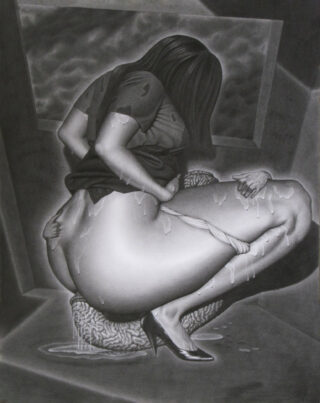
The oeuvre of Yoshifumi Hayashi is a profession of materialist-sensualist faith, a manifestation of vital and sexual desire as an intrinsic force of nature.

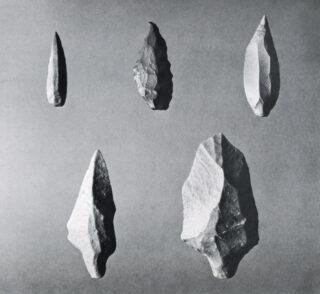
The book seeks to highlight a previously overlooked dimension at the intersection of diverse fields such as anthropology, archaeology, art history, technology, and sociology: the material culture of early Saharan inhabitants.

There can be few unpublished works that have already exerted such far-reaching effects upon twentieth-century social and intellectual history as Jung’s Red Book, or Liber Novus.

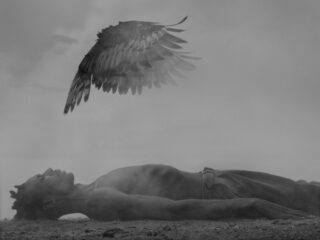
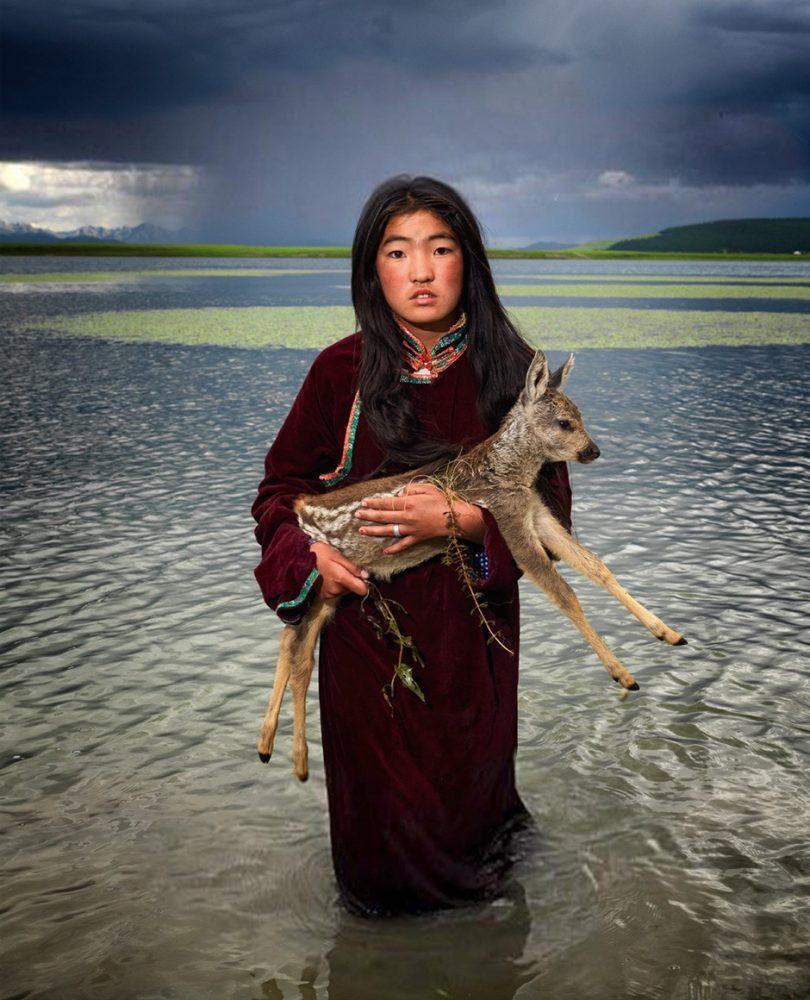
The Day May Break is an ongoing global series portraying people and animals that have been impacted by environmental degradation and destruction.

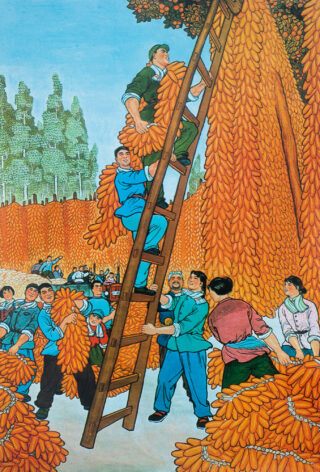
Huxian Peasant Paintings are a product of the Chinese Cultural Revolution. Ostensibly painted by amateur worker-peasant-soldier artists, they depict idealized scenes of the thriving socialist countryside.

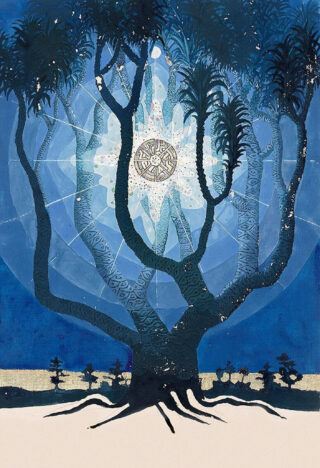
Garden of Eden explores the vast world of psychoactive plants, animals and other organisms, and their uses in shamanism, spiritual exploration and healing.

A cloud atlas is a visual representation of various cloud types, including their classification and naming conventions.

The publication uses AI to mash up ages, geographies and traditions, creating virtual artifacts indistinguishable from historical records.

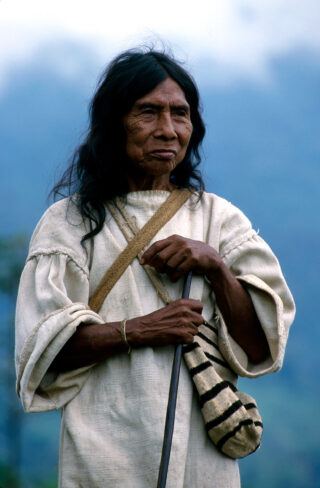
The Kogi hold a unique position; on a bloodstained continent they alone have never been conquered, and have succeeded in preserving their four thousand year old understanding of the world.

These two visionary tales are written hundred years apart, under very different conditions by very different authors yet they make a great match.

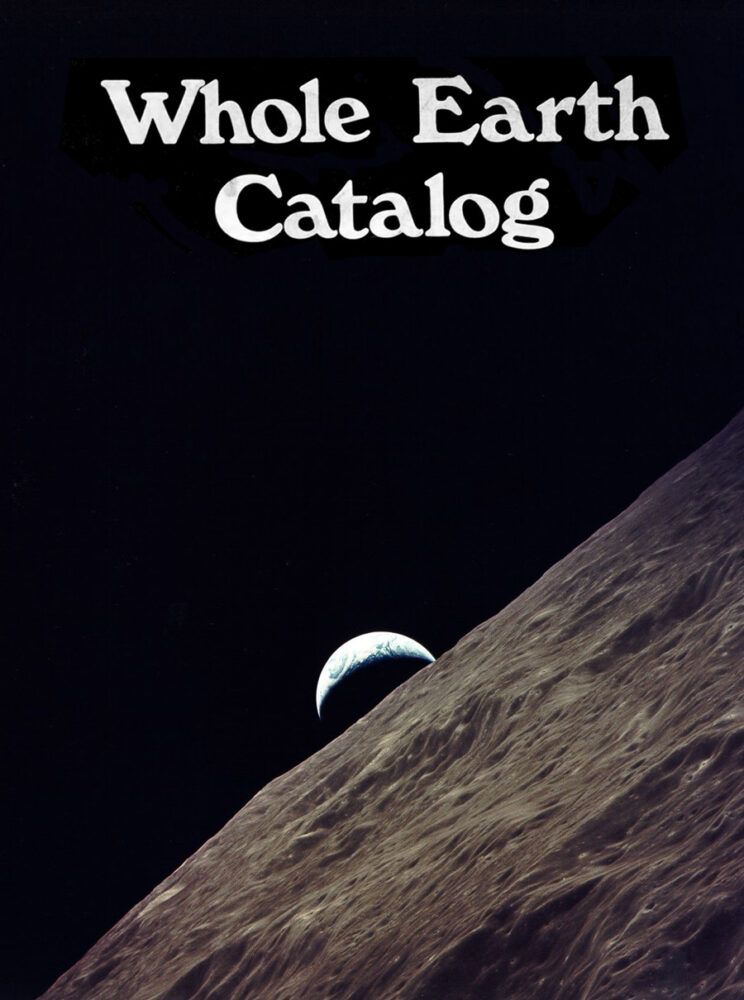
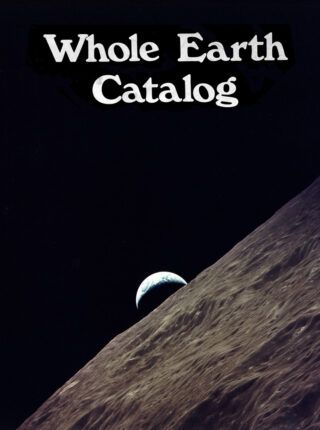
The Whole Earth Catalog, first published in 1968, can be considered the bible of counterculture in the 60s and 70s. It compiles tools that can empower the individual within the global community.

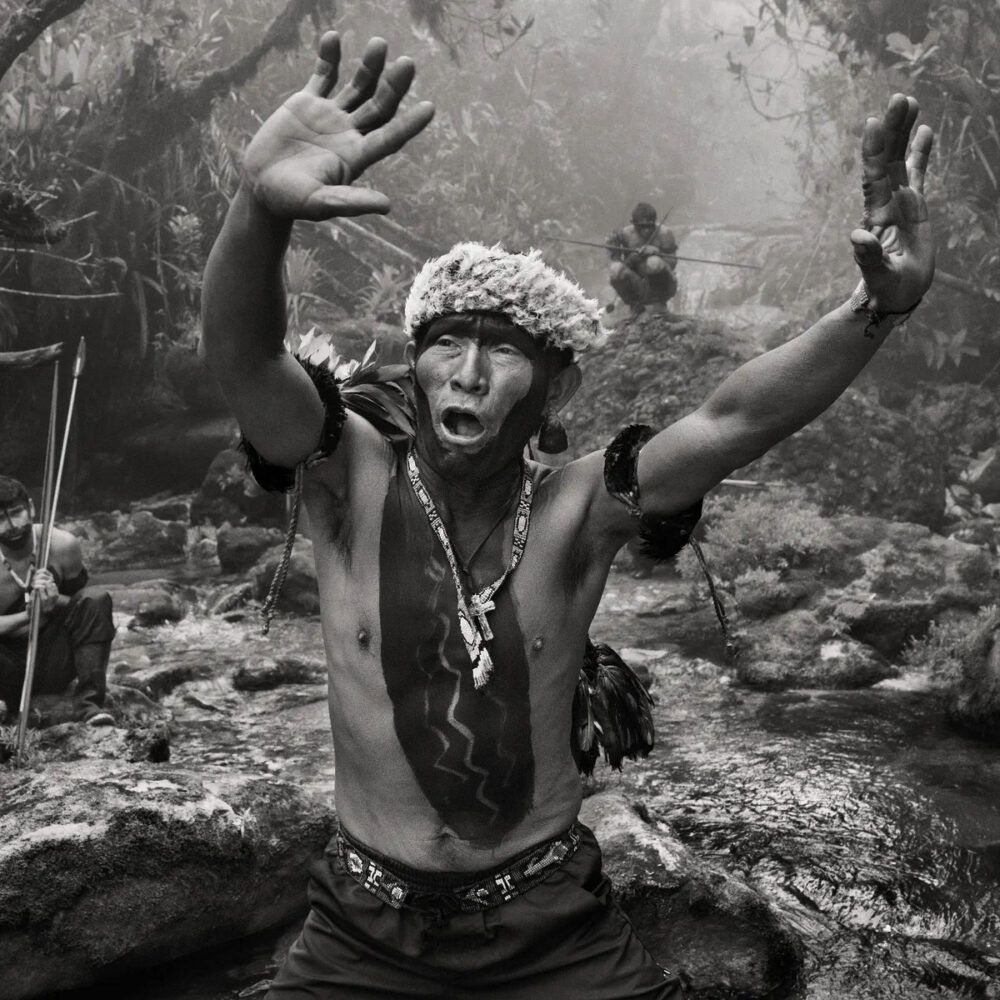
Photojournalist Sebastião Salgado traveled the Brazilian Amazon for six years to document the unfathomable wonder of this last frontier. The forest, the rivers, the mountains, and the people who live there.
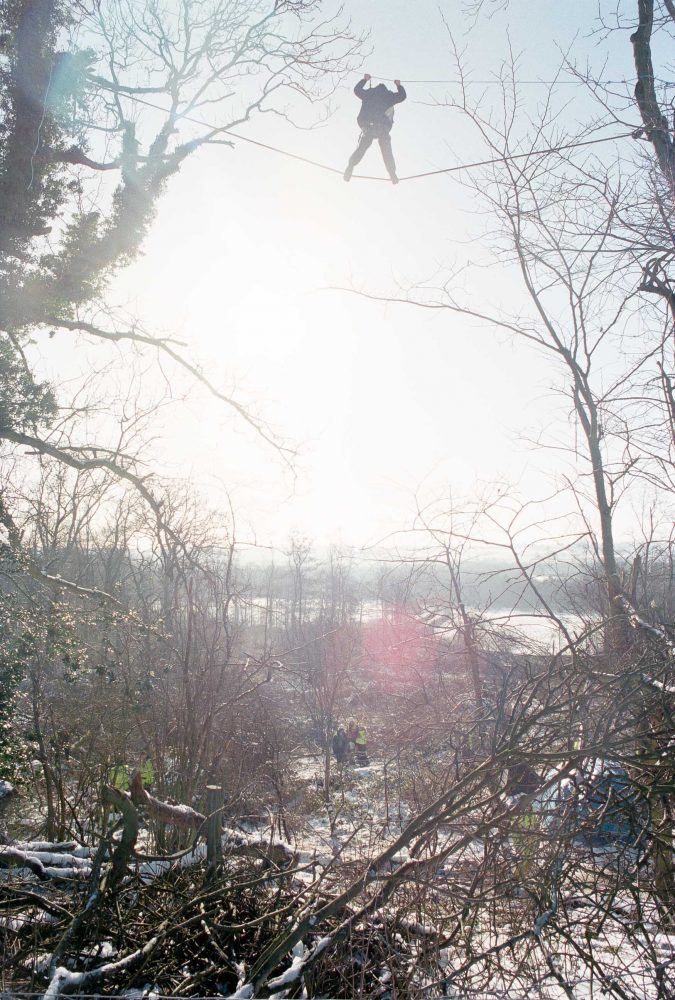
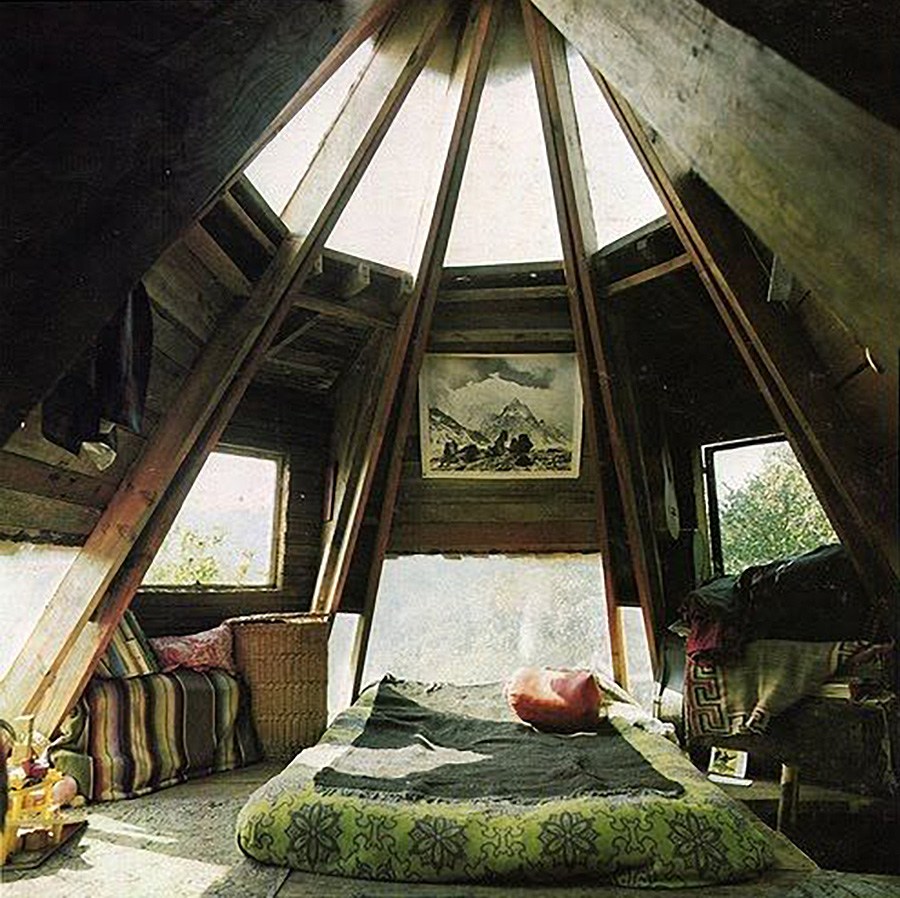
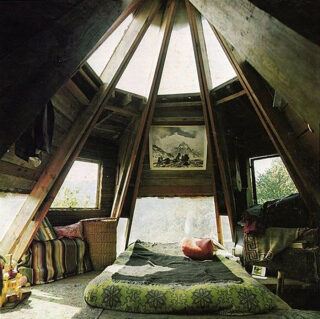
Lloyd Kahn is arguably the most influential pioneer of the DIY building movement that emerged in the 1960s.

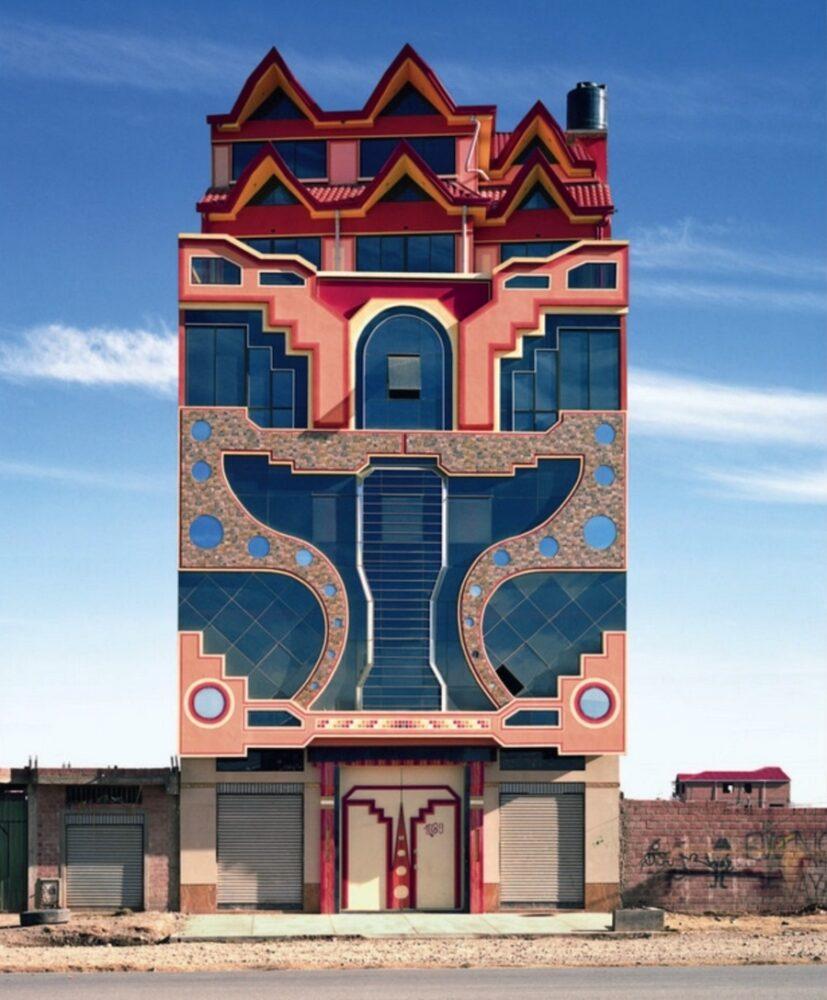
His buildings are nothing less than an exuberant act of self-expression by Bolivia’s long-marginalized indigenous majority.

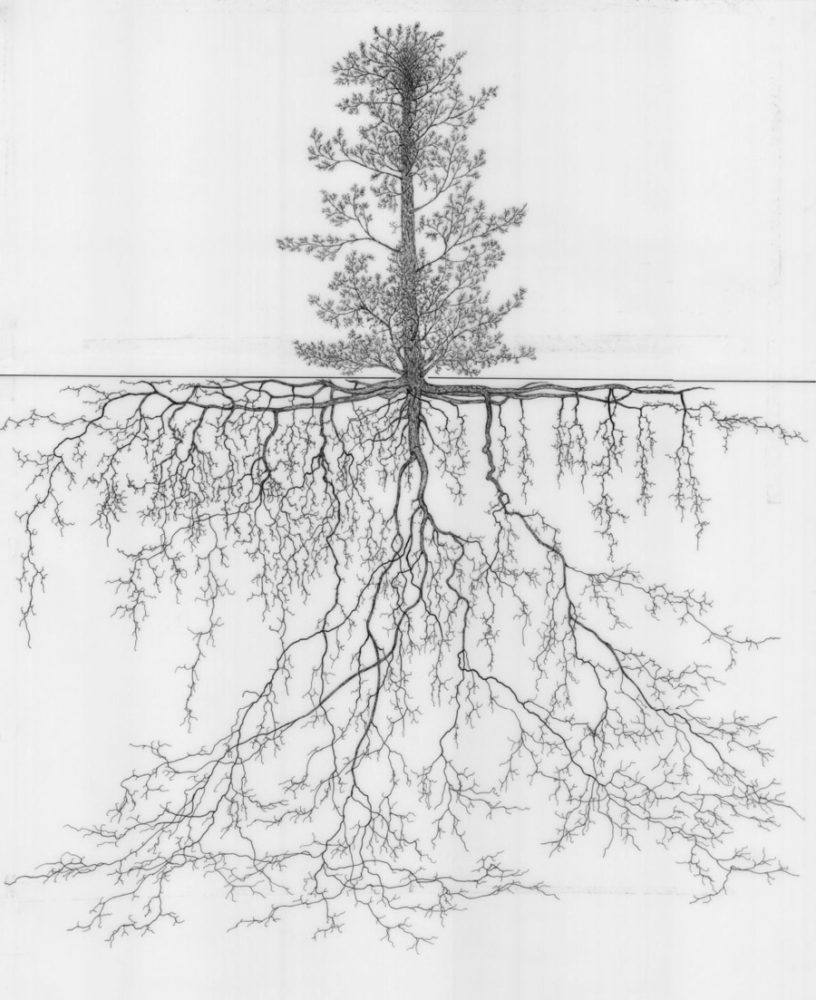
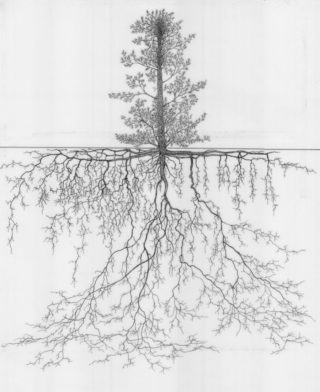
The following drawings are taken from the Wurzelatlas, a book series that began in 1960 and is regarded as the standard work on root research.

This book is a New Age classic but just one of many publications in the same spirit springing from the counterculture of the late 1960s.

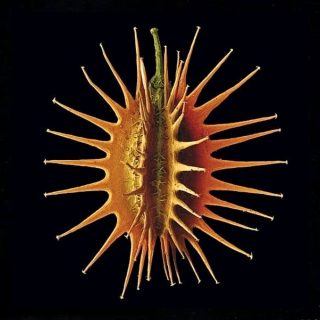
Each picture reveals minute features and textures that are normally invisible to the naked eye.
I have always been drawn to things I found suggestive but couldn’t understand. The tarot is such a theme that speaks to my imagination but I can’t explain what it really is.
A book of unseen photographs documenting the early days of the British direct action environmental movement from 1995—1999.

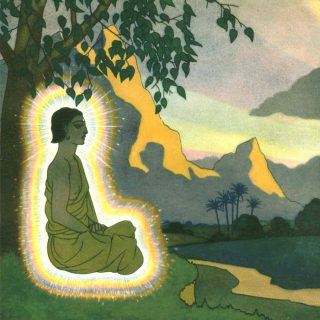
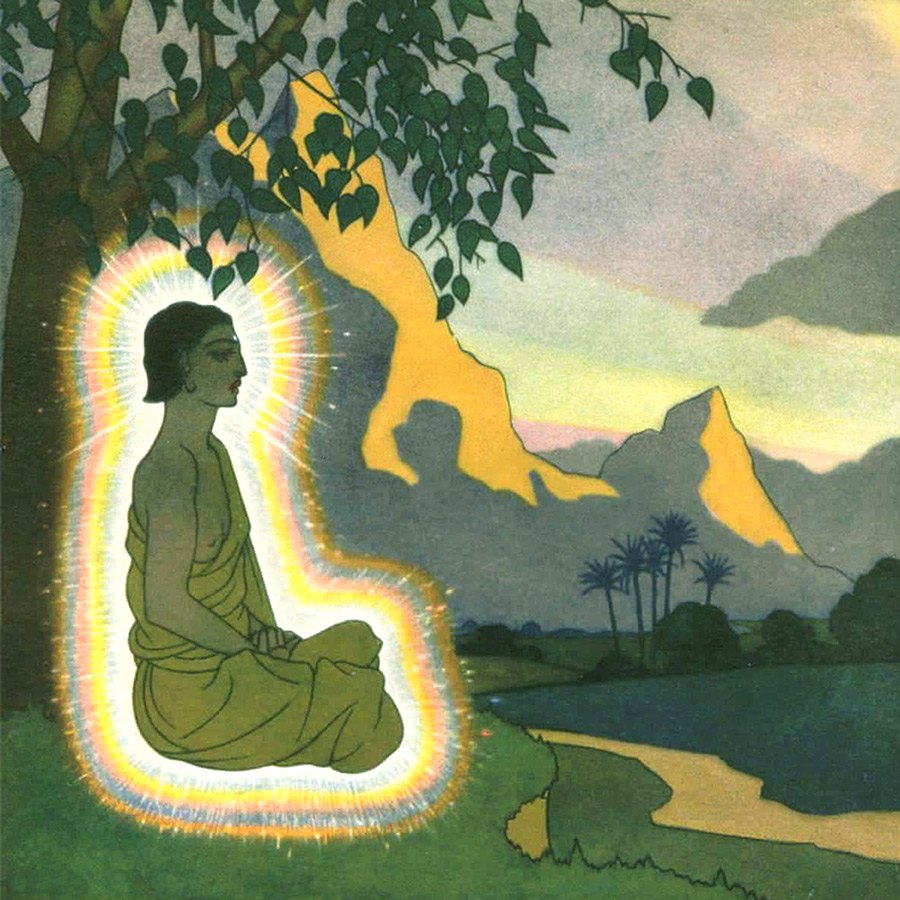
The Light of Asia is a famous narrative poem that tells the life and time of Prince Gautama Siddhartha, who after attaining enlightenment, became the Buddha.

A numinous, archetypal event that can lead to enhanced consciousness and is therefore crucial to the psyche of modern man.

This book is leading you on travels in a mysterious and visionary world.

There is already another post about Philip Kirkland but these images I’ve just found deserve to stand alone.

This seminal book by Stanley Keleman explores the notion that physical human shape is interrelated with one’s emotional and psychological reality — mapping the geometry of somatic consciousness.

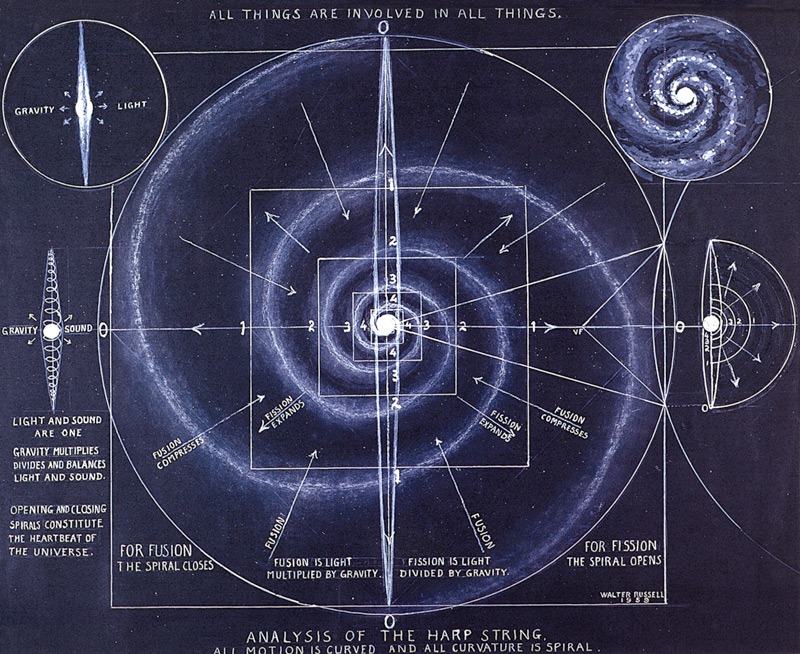
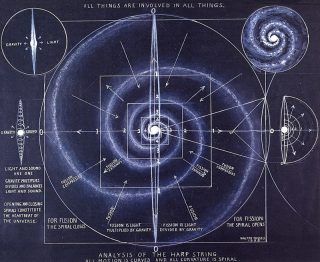
Russell was a visionary — painter, sculptor, architect, musician, and author. But he had no background in science. His cosmogony is based on a revelatory event he experienced at the age of fifty.

“We exist in relation to three things: The forest, wild animals, and our ancestor spirits. Once we lose the connection to these things, we invite demons to take hold of our destiny.”

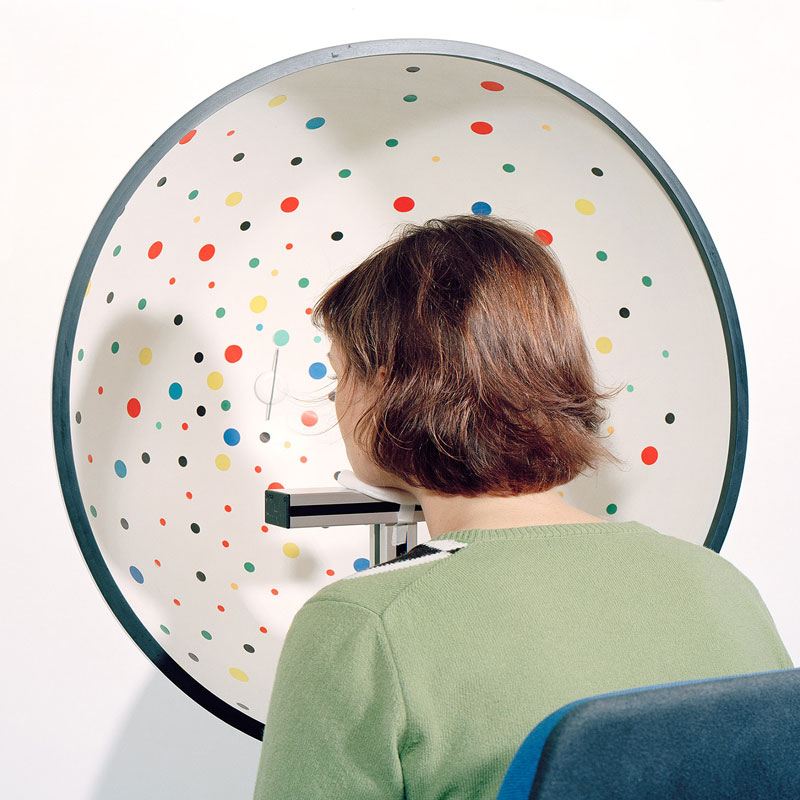
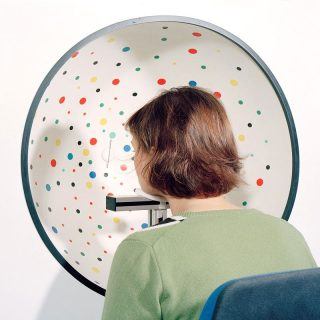
A personal project exploring the real world of scientific research. Not the stainless steel surfaces bathed in purple light, but real people in their basements working on selfbuilt contraptions

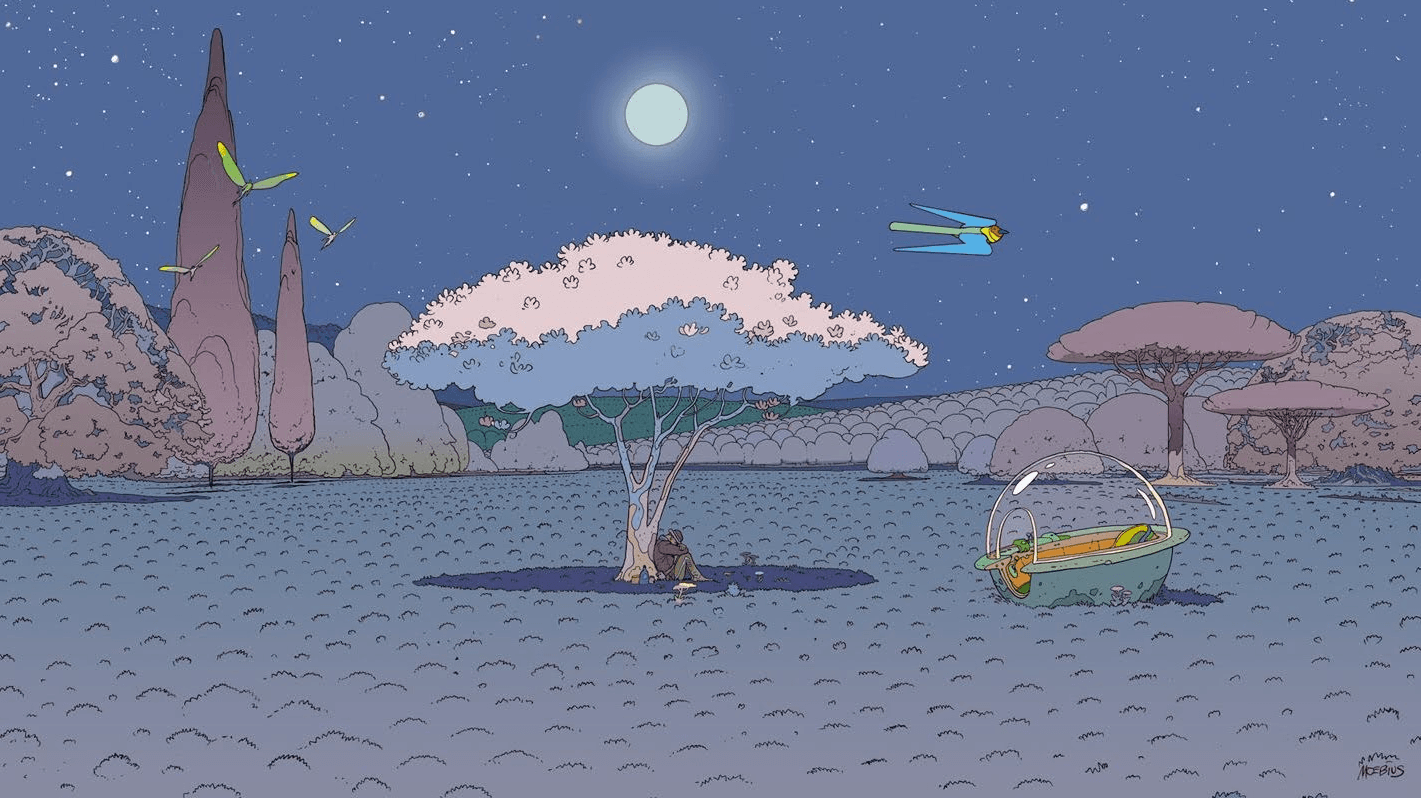
I grew up with Tintin and I just realized how formative Hergé’s ‘ligne claire’ was for me. His distinct visual…

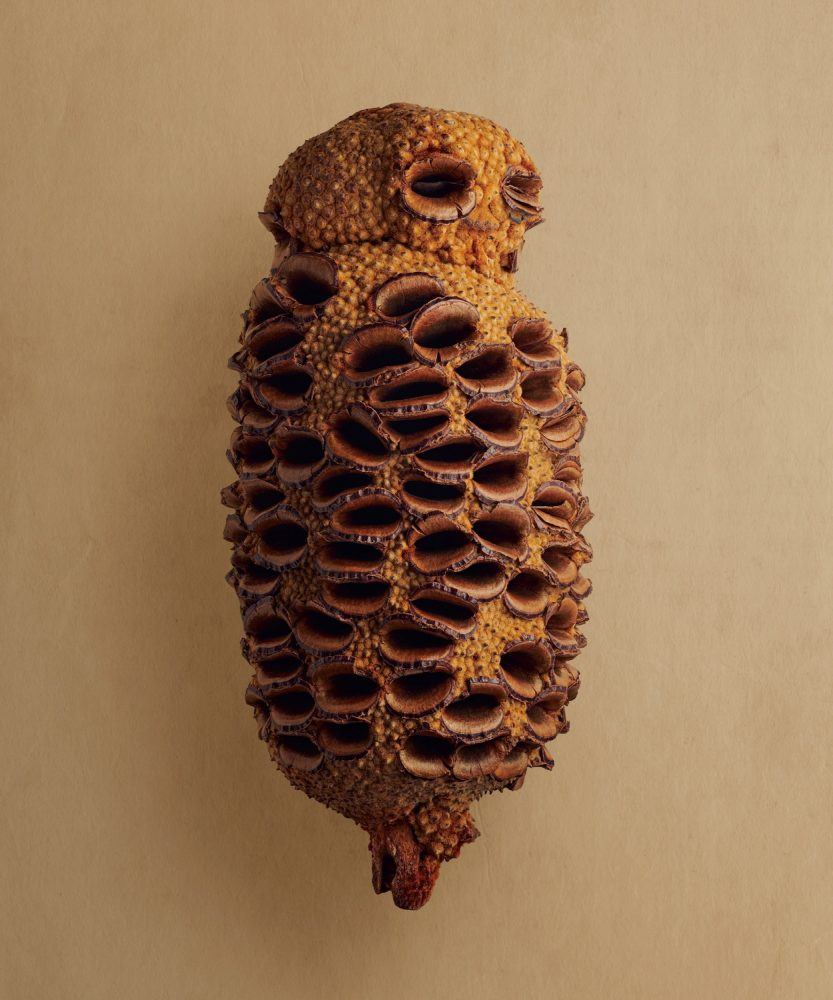
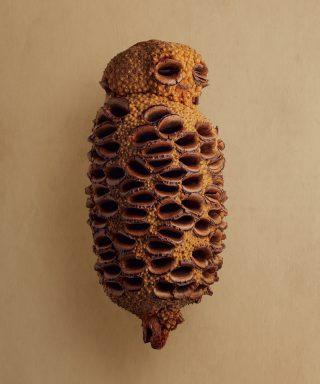
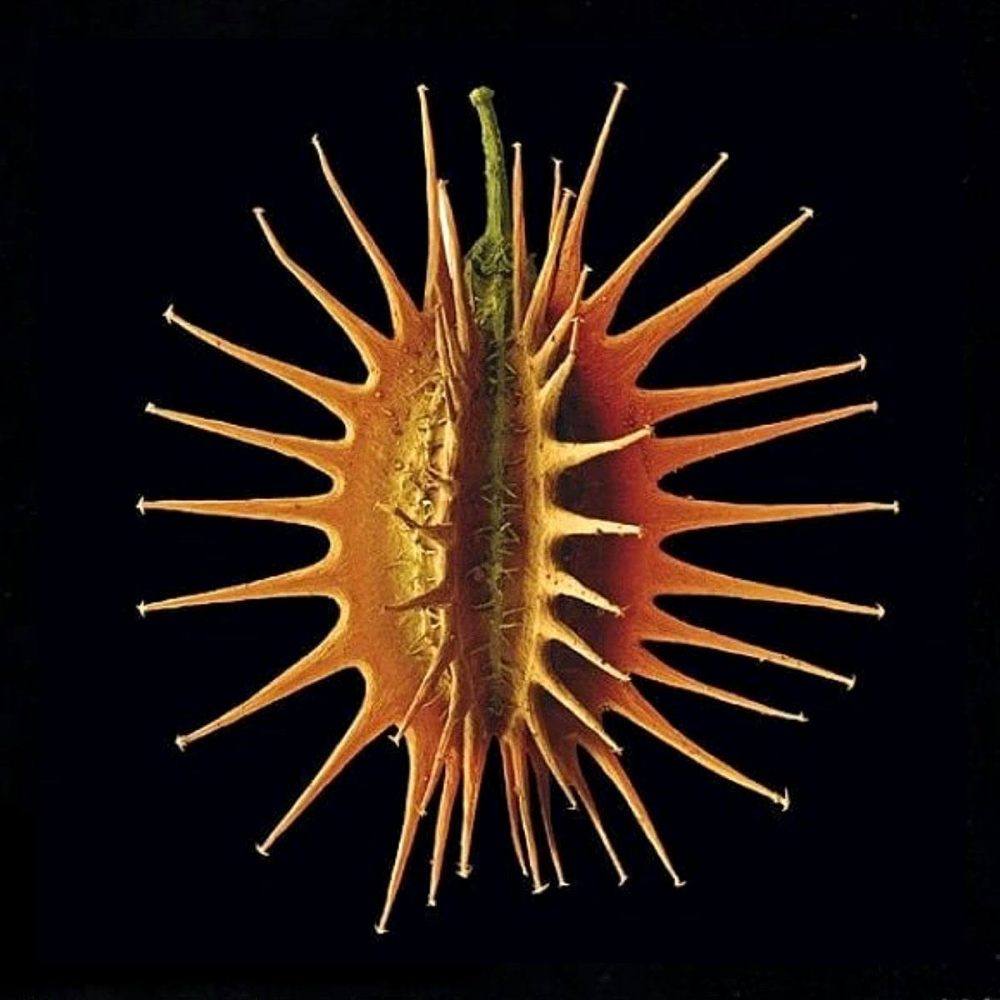
Seeds are the most complex organs produced by plants, capable of traveling space and time to ensure the biodiversity of our planet.